The Republic of Kiribati, an archipelagic nation of 33 low-lying coral atolls scattered across the central Pacific Ocean, presents one of the most demanding environmental and logistical challenges in the global construction industry. With urban centers like South Tarawa experiencing high population densities and rapid infrastructure modernization, the demand for resilient building materials has escalated. Traditional localized structures are increasingly replaced by modern commercial, municipal, and residential buildings that require high-performance materials to withstand the geographical isolation, extreme marine salinity, and severe weather patterns associated with tropical depressions.
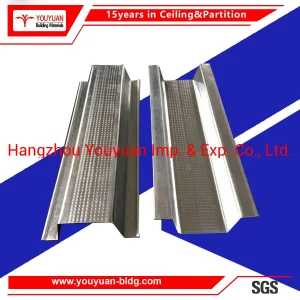
In this hyper-corrosive marine climate (categorized as C5-M under ISO 12944 standards), structural degradation via oxidation is a constant threat. Cold-formed steel profiles—specifically steel hat channels (also referred to as omega channels or top hat purlins)—have emerged as a vital component in modern roofing, wall framing, and suspended ceiling systems. Because Kiribati lacks domestic metallurgical production, it relies entirely on foreign imports for structural materials. This makes the selection of a highly specialized manufacturer that understands the nuances of coastal steel chemistry, corrosion mitigation, and ocean logistics a critical priority for local contractors and international developmental agencies alike.
Building in Kiribati requires an intimate knowledge of microclimatic forces. The islands are characterized by high ambient temperatures (frequently ranging between 26°C and 32°C year-round) and persistent relative humidity levels exceeding 80%. When combined with airborne salt aerosols carrying sodium chloride (NaCl) particles from the breaking reef waves, these conditions form an electrolyte layer on exposed metal surfaces that accelerates the electrochemical reaction of rusting. Traditional low-grade light gauge steel fails rapidly under these conditions, causing structural sagging, ceiling collapses, and structural roof separation during heavy winds.
Furthermore, Kiribati’s geographic position puts it at constant risk of wind actions. While the nation sits near the equator where typhoons are less frequent than in the northern Pacific, seasonal wind surges, high tides (King Tides), and intense tropical downpours demand structural integrity. Galvanized steel hat channels are structurally engineered to provide high strength-to-weight ratios. This is critical for coastal roofs, as it allows lightweight trusses to bear the dead load of heavy rain and wind pressure without buckling. Using premium steel channels guarantees that suspended ceilings and cladding systems remain securely anchored, even during violent atmospheric disruptions.
For Kiribati projects, we supply cold-formed profiles with minimum Z275 hot-dip galvanization or AZ150 aluminum-zinc alloy coatings. Our steel is treated with chemical passivation to inhibit surface corrosion during transport and onsite storage in marine environments.
Modernization initiatives across Tarawa, Kiritimati (Christmas Island), and outer islands require resilient structural components. Understanding where and how steel hat channels are applied locally highlights their structural importance:
By switching to roll-formed galvanized hat channels, contractors in Kiribati reduce overall construction time and ensure structure longevity. The uniform geometry of the steel simplifies detailing, enabling quick and precise installations even with limited local specialized labor.
Imported lumber is susceptible to moisture expansion, fungal rot, and termite infestation in tropical climates. Light gauge galvanized steel does not rot, warp, or support combustion, offering a more stable and fire-safe alternative for structural frames.
Because Kiribati's construction sector is heavily influenced by donor agencies and engineering practices from Australia and New Zealand, building specifications are strict. Our manufacturing processes conform directly to major international codes, providing peace of mind to project consultants and local government engineers:
AS/NZS 4600 & AS 1397 Compliance: All cold-formed steel channels are manufactured from structural-grade hot-dip galvanized steel conforming to AS 1397 (standard specification for metallic-coated steel sheet). Structural engineering calculations align with AS/NZS 4600 (Cold-formed steel structures code), ensuring capacity values for bending, shear, and web crippling are fully certified.
ASTM Standard Equivalencies: For international projects utilizing North American specifications, our products align with ASTM A653 (steel sheet, zinc-coated) and ASTM C754 for installation of metal framing members. This dual-standard compliance makes our products highly versatile for projects funded by global organizations like the World Bank or Asian Development Bank.
Every shipment is accompanied by Mill Test Certificates (MTC) indicating chemical composition, yield strength, tensile elongation, and zinc coating thickness. Random batch testing includes salt-spray exposure tests to ensure rust resistance.
As a global steel framing manufacturer, Guangzhou Terra Steel Co., Ltd. bridges the gap between high-volume manufacturing efficiency and specialized local requirements in the South Pacific. Based in Guangzhou, one of China's premier industrial and shipping hubs, we leverage direct access to raw materials and logistical infrastructure to optimize costs for our clients.
Our facility features high-precision, automated roll-forming machines capable of producing tight tolerances and custom lengths. This helps minimize onsite waste in Kiribati, where waste disposal infrastructure is limited. By sourcing directly from our factory, contractors bypass middle-tier distributors, lowering unit costs while securing direct technical support from our engineering team.
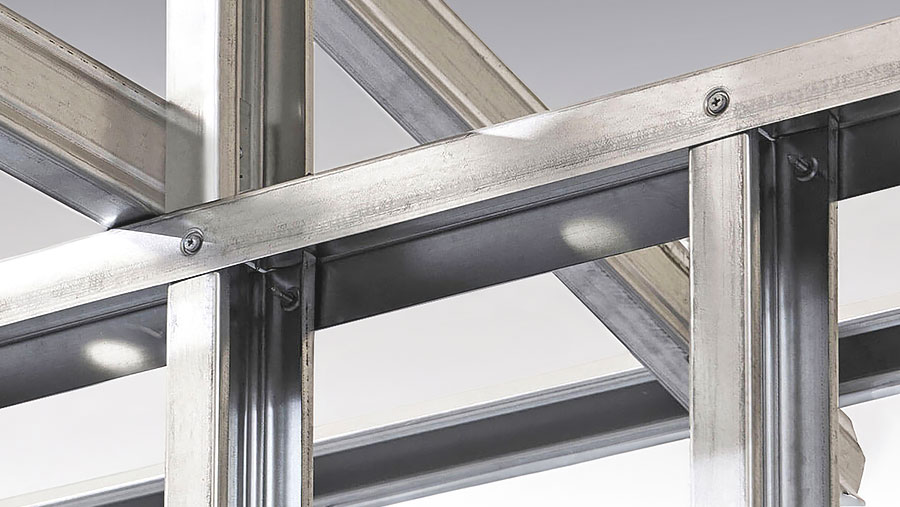
Guangzhou Terra Steel Co., Ltd. is a professional manufacturer specializing in high-quality steel framing products for modern construction systems. With a strong focus on precision manufacturing and reliable material performance, the company provides durable steel solutions widely used in residential, commercial, and industrial building projects. By integrating advanced production equipment with strict quality control, Guangzhou Terra Steel ensures that every product meets international construction standards and supports efficient installation in interior partition walls, ceiling frameworks, and lightweight structural applications.
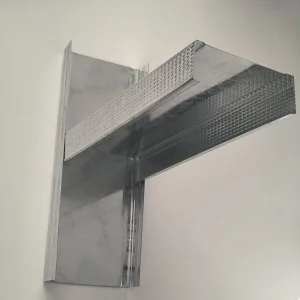
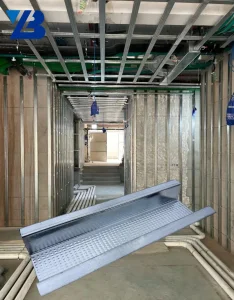
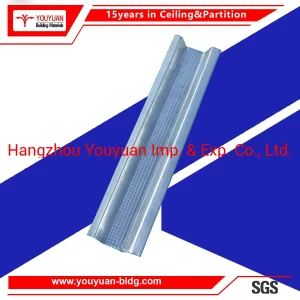
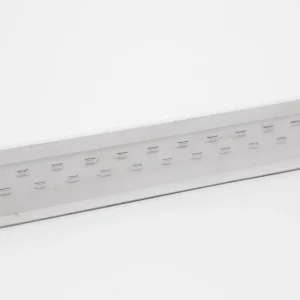
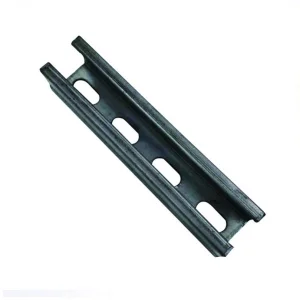
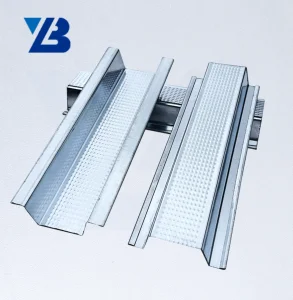
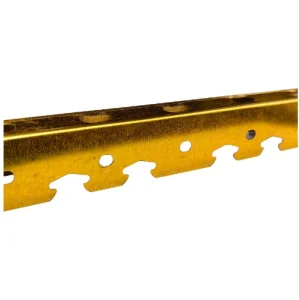
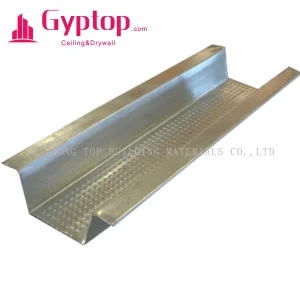
The company’s core product range includes Light Gauge Steel Stud, Steel Ceiling Channel, Steel Furring Channel, Steel U Track, Steel C Channel, and Steel Hat Channel. These products are designed to deliver strong structural support while maintaining lightweight characteristics, making them ideal for drywall systems, suspended ceilings, and metal framing applications. Manufactured from high-quality galvanized steel, Terra Steel products offer excellent corrosion resistance, dimensional accuracy, and long service life, helping contractors and builders achieve stable and durable wall and ceiling structures.
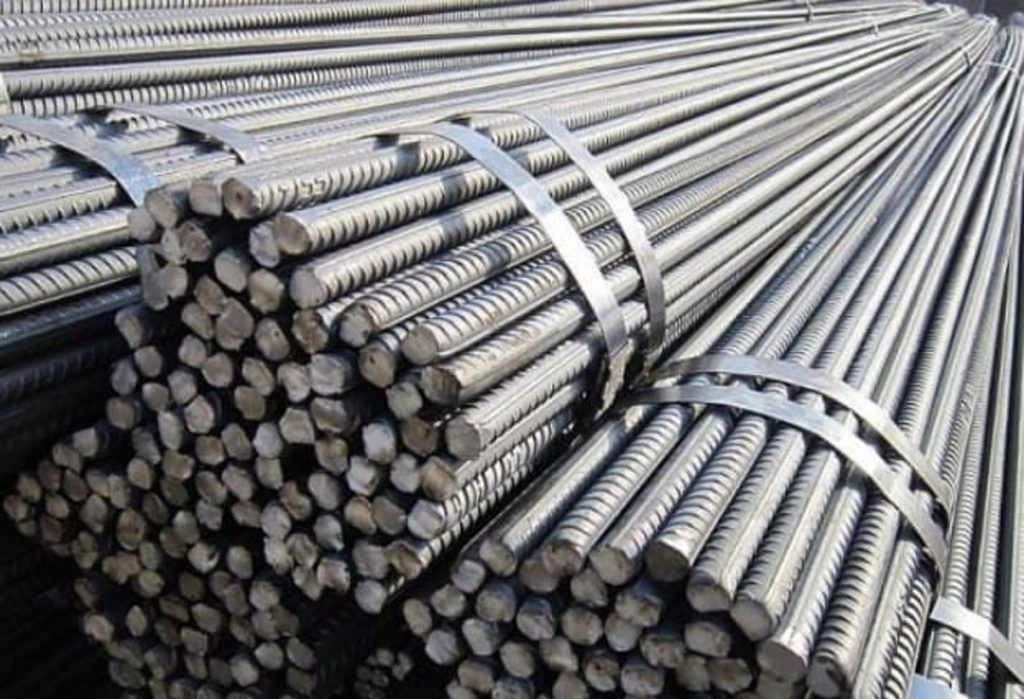
Committed to continuous innovation and customer satisfaction, Guangzhou Terra Steel Co., Ltd. supplies reliable steel framing materials to construction companies, distributors, and project contractors around the world. The company focuses on providing consistent quality, competitive pricing, and efficient logistics support for global partners. By combining modern production capabilities with professional service, Terra Steel aims to become a trusted supplier of steel construction materials and contribute to the development of safer, more efficient, and sustainable building solutions.
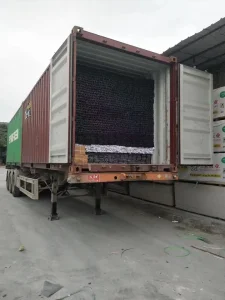
Ocean freight logistics to Kiribati require careful preparation and execution. Transit typically routes through regional transshipment hubs like Suva (Fiji) or Auckland (New Zealand) before arriving at Betio Port in South Tarawa or Kiritimati. This extended journey exposes materials to sea spray and high humidity inside shipping containers, meaning standard packaging is insufficient.
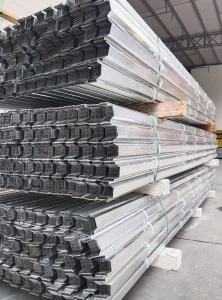
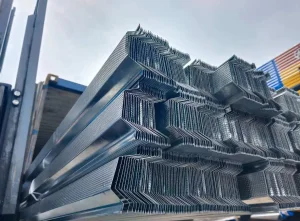
Guangzhou Terra Steel applies protective packaging protocols for all exports destined for the Pacific Islands. Our channels are bundled, secured with heavy-duty steel bands, and wrapped in Vapor Corrosion Inhibitor (VCI) plastic film. We include desiccant packs inside the bundles to absorb condensation during transit through changing climate zones. Bundles are loaded onto heavy timber skids to facilitate forklift unloading at destination ports, reducing the risk of material damage upon arrival.
We offer flexible shipping options, including Full Container Load (FCL) for large-scale developments and Less than Container Load (LCL) consolidation for smaller island projects. Our logistics department coordinates customs documentation to ensure smooth port clearance.
For international engineering, procurement, and construction (EPC) firms executing projects in Kiribati, steel procurement involves several key technical considerations:
By establishing early collaboration with Guangzhou Terra Steel, designers can optimize profile configurations to reduce raw material usage while maintaining required structural safety factors.
The global construction industry is shifting toward materials with longer lifecycles and lower maintenance requirements. In the South Pacific, this trend is driven by climate change adaptation policies. Rising sea levels and increased humidity mean structures must last longer with minimal repairs.
Key industry developments include:
Get in touch with our engineering and logistics specialists today for custom profiles, competitive price quotes, and structural submittals.
Send Inquiry Now Terra Steel