Why Is Steel Processed for Construction Use?

Time:2026-10-29 Author:Ethan
0%

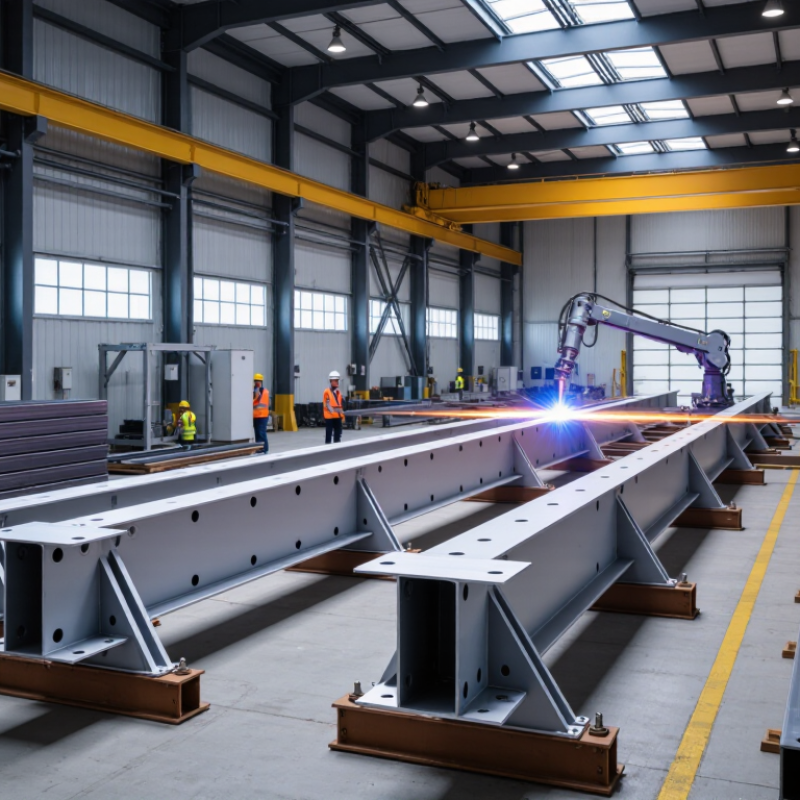
Steel beams do not arrive at a building site ready to carry loads. They begin as mill-produced sections or plates, then pass through measured steps that turn raw steel into components suited to a specific design. Understanding how steel is processed for construction use explains why accuracy matters before erection begins. A misplaced hole or rough cut can delay a connection and require costly rework.

Fabricators interpret structural drawings, cut members to length, drill bolt holes, and prepare edges for welding. They may assemble sections, apply protective coatings, and check dimensions against project documents. Each step affects fit, strength, durability, and the speed of on-site assembly. Charles J. Carter, a structural engineer and steel-industry leader, offers a useful principle here. The following is a paraphrase, not a verbatim quotation: “Good steel construction depends on accurate design, fabrication, and inspection working together.” That distinction matters; a quotation should not be presented as exact without a source.

This process also involves real-world judgment. A beam may need a different coating near a damp loading bay than inside a dry office. Fabricators and engineers coordinate details, review measurements, and resolve clashes before steel reaches the crane. Errors can still happen. Careful inspection helps catch them early, but it cannot replace clear drawings or communication. The sections ahead trace how steel moves from mill production to finished components, and why processing choices shape the safety, fit, and service life of a structure.
Why Is Steel Processed for Construction Use?

Steel’s Natural Properties and Construction Requirements

Why Is Steel Processed for Construction Use?
Steel’s Natural Properties and Construction Requirements

Steel is strong, but strength alone does not make it ready for a building. Its natural properties vary with composition, thickness, and the way it was made. Processing helps turn that material into predictable beams, plates, and connections. On site, a beam must fit its supports, not merely carry a load in a laboratory.

Cutting and drilling create the dimensions shown on construction drawings. Rolling forms sections with consistent shapes, while welding or bolting joins components into frames. Small differences matter. A misplaced hole can complicate a connection, and rough edges may need finishing before assembly. These are practical details, not cosmetic extras.

Steel also reacts with moisture and oxygen. Protective coatings, suitable detailing, and planned maintenance can reduce corrosion, especially around exposed edges and joints. Quality checks may examine dimensions, welds, and material records before installation. That gives builders useful evidence, though no inspection removes every uncertainty. Processing can improve consistency, but it cannot make poor design harmless. The trade-off is worth remembering: extra fabrication steps add time and cost, yet skipping them may leave steel harder to assemble, protect, or assess. And details get missed.

Why process steel for construction? Processing controls steel’s strength and produces consistent grades, shapes, and dimensions that meet construction requirements. This chart compares the minimum specified yield strengths of three common structural steel grades. Strength is only one consideration; ductility, weldability, toughness, and corrosion protection also matter.

Values are rounded from the specified minimum yield strengths in ASTM A36, ASTM A572 Grade 50, and ASTM A992.

How Processing Adapts Steel for Structural Use

Steel reaches a construction site as a material, not yet as a usable frame. Mills roll it into beams, columns, and plates, controlling shape and thickness for predictable fitting. ASTM A992/A992M sets a minimum yield strength of 50 ksi and tensile strength of 65 ksi for common structural shapes. These values, referenced in the American Institute of Steel Construction’s Steel Construction Manual, help engineers select members for calculated loads. They do not replace project-specific design.

Fabricators cut members to length, drill bolt holes, and weld connections to match structural drawings. A few millimetres matter: misplaced holes can complicate a connection, while rough edges may need cleaning before welding. Processing also includes surface preparation and, where specified, protective coatings to slow corrosion. Some beams receive camber, a slight upward curve that helps offset expected deflection under load.
Small adjustments. Big consequences.

The process is not simply “make steel stronger.” Rolling and cooling affect strength and toughness, while fabrication must preserve the properties assumed in design. AISC 360-22 sets requirements for structural steel design and construction, linking material choices to connection and member performance. I have to admit, the drawing can make fabrication look cleaner than it feels on the shop floor. Real parts vary, and careful inspection is what catches a fit-up problem before erection.

Key Methods Used to Process Construction Steel

Why Is Steel Processed for Construction Use?

Key Methods Used to Process Construction Steel

Construction steel is shaped and prepared so it fits a project’s drawings and site conditions. Hot rolling forms heavy sections such as beams, while cold forming bends thinner steel into channels or panels. The methods affect dimensions, surface finish, and how a piece behaves during later fabrication.

Small details matter.

Cutting turns stock into specified lengths, using sawing, shearing, or thermal methods suited to the material and required edge. Workers may drill holes for bolts, then bevel edges where a weld needs a prepared joint. Bending and pressing create plates, brackets, and curved components.

Fit is not automatic. A slight measurement error can complicate assembly, especially when several parts meet at one connection.

Some steel receives heat treatment to adjust its properties, when the grade and application call for it. Fabricators also clean surfaces and may apply protective coatings to help limit corrosion. Inspection checks dimensions, visible defects, and weld quality against project requirements. These checks are practical, not cosmetic: a neatly coated part can still be poorly aligned. Shop drawings and site measurements do not always match perfectly, so careful verification before delivery can prevent avoidable rework.

How Processing Improves Strength, Safety, and Durability

Steel processing converts mill stock into members that fit a structure and perform predictably. Rolling shapes beams and plates; controlled heating and cooling can refine steel’s microstructure and help achieve specified strength and toughness. For example, ASTM A992 structural steel has a minimum yield strength of 50 ksi, or about 345 MPa. Cutting, welding, and drilling then prepare pieces for assembly, but each operation needs care. Poorly placed holes or rough welds can create stress concentrations. Small flaws matter.

Processing also supports safety and durability. Inspection can reveal weld defects before a frame is enclosed, while primers, paint, or zinc coatings help shield steel from moisture. NACE International’s 2016 IMPACT study estimated corrosion costs at US$2.5 trillion worldwide, about 3.4% of global GDP; it also reported that corrosion-control practices could save 15–35% of those costs. Coatings need maintenance, though, and damaged edges or trapped water can still invite rust. Processing reduces risks, not eliminates them. A specification on paper is only useful when fabrication, inspection, and upkeep match it on site.

Choosing Processed Steel for Different Building Applications

Processed steel should match the job it must do, not just the shape shown on a drawing. For long-span roofs, fabricated beams and columns need accurate cuts, drilled connections, and clear tolerances. Floor decks often use profiled sheets that span between supports and remain practical to lift. Stairs and façade frames may need shorter pieces, precise holes, and finishes suited to visible surfaces. Small details matter. Galvanized or coated steel can help where moisture exposure is expected, but the coating should suit the environment and maintenance plan.

Reinforcing bars, purlins, and light-gauge sections each bring different demands for strength, stiffness, and handling. The right choice depends on loads, connection design, fire strategy, transport, and how crews will assemble the pieces. A drawing can look tidy, yet a hole placed too close to an edge may complicate a connection or weaken a member. Ask for material certificates, dimensions, and inspection records, then check them against the project specification. That sounds basic. It is. Over-processing can add cost or delay; extra cuts and coatings are not automatically improvements. Sometimes the practical answer is less elegant than the design sketch, and deserves a second look.

FAQS

How does processing improve steel strength and toughness?

Rolling shapes beams and plates. Controlled heating and cooling can refine steel’s structure and help meet specified performance.

Why do cutting, drilling, and welding need careful control?

Poorly placed holes and rough welds can concentrate stress. Small flaws matter. Inspect members before assembly.

Can coatings prevent corrosion completely?

No. Primers, paint, and zinc coatings help shield steel from moisture, but damaged edges and trapped water can still invite rust.

What should be checked before a steel frame is enclosed?

Inspect welds for defects and check dimensions against the project specification. Hidden flaws are harder to address later.

Which details matter for steel used in long-span roofs?

Beams and columns need accurate cuts, drilled connections, and clear tolerances. A misplaced hole can complicate assembly.

How should steel be selected for different building parts?

Match members to loads, connections, fire strategy, transport, and installation. Floor decks, stairs, and façade frames have different needs.

What records should be requested for processed steel?

Ask for material certificates, dimensions, and inspection records. Compare them with the project specification. Basic, but easy to miss.

Does extra processing always improve steel?

No. Extra cuts or coatings can add cost or delay without improving performance. A tidy drawing may still need a second look.

Conclusion

Steel has natural qualities that make it valuable for construction, including strength, versatility, and the ability to support heavy loads. However, raw steel does not automatically meet the specific dimensions, shapes, or performance requirements of every building project. Understanding how steel is processed for construction use helps explain how basic material is adapted into reliable structural components.

Processing methods such as cutting, shaping, welding, and heat treatment prepare steel for different applications. These steps can improve consistency, strength, safety, and resistance to wear, while allowing pieces to fit together accurately during construction. The right type of processed steel depends on where and how it will be used, from supporting frames to other building elements. Careful selection helps ensure that each component suits the project’s structural demands and contributes to a durable, dependable building.

Ethan

Ethan

Ethan is a seasoned marketing professional with a deep expertise in our company's innovative product line. With a passion for sharing knowledge and insights, he takes the lead in regularly updating our corporate blog, where he explores industry trends, product features, and effective marketing......