Steel structures are reshaping modern construction, and China has become a major force in this transformation. The key question is why steel structures are popular in construction. Their appeal is practical: high strength, lighter frames, rapid assembly, and predictable factory quality. A steel beam can arrive on site ready for lifting, drilling, and bolting. This reduces wet work and shortens project schedules. It also supports wide column-free spaces in warehouses, airports, stadiums, and industrial plants.
The World Steel Association reported approximately 1.89 billion tonnes of crude steel production worldwide in 2023. Its World Steel in Figures 2024 also identifies construction as the largest steel-consuming sector globally. Meanwhile, the United Nations Environment Programme’s 2023 Global Status Report for Buildings and Construction states that buildings and construction consume about 32% of global energy and produce approximately 34% of global carbon dioxide emissions. These figures create both opportunity and pressure for steel suppliers. They must deliver efficient structures while improving recycled content, energy use, traceability, and fabrication accuracy.
Structural engineer William F. Baker has said, “The key to the design of a tall building is to understand how it stands up.” That principle explains steel’s popularity. Engineers can calculate its behavior, inspect welded connections, and adapt standardized sections to demanding designs. Chinese suppliers also benefit from large manufacturing capacity, integrated logistics, and extensive project experience. Still, steel is not automatically sustainable. Its production remains carbon-intensive, and poor corrosion protection can increase maintenance costs. The market is strong, but not perfect. This review examines ten leading Chinese steel structure suppliers and the practical reasons behind their popularity.
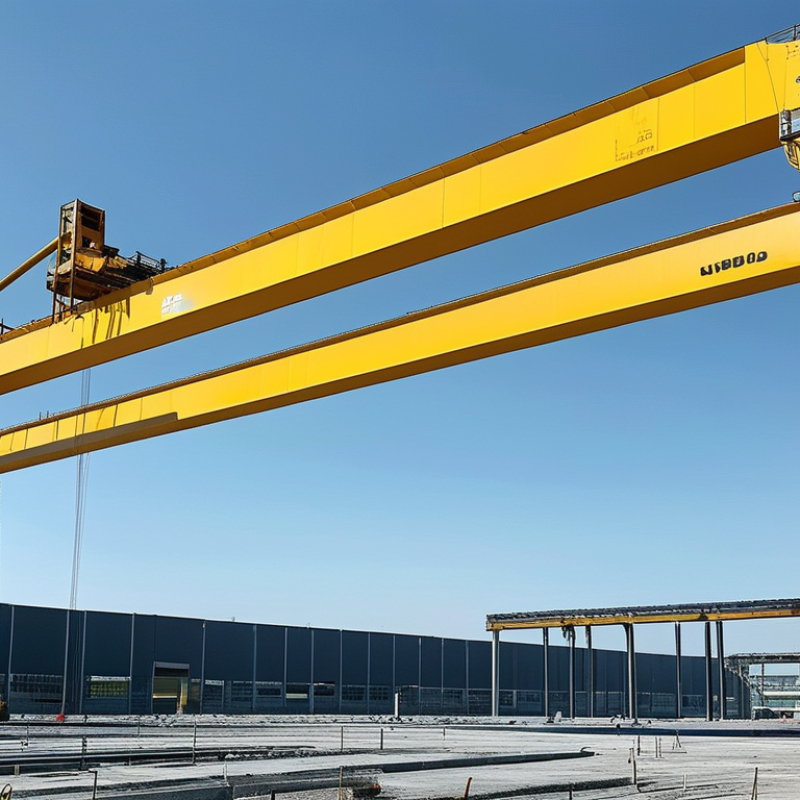
A steel structure supplier in China is more than a factory selling beams and columns. It should connect structural design, material procurement, fabrication, inspection, and site support. The World Steel Association’s World Steel in Figures 2024 reports that China produced about 1,019 million tonnes of crude steel in 2023. This scale creates strong manufacturing capacity, but capacity alone does not prove reliability.
A qualified supplier can explain steel grades, welding procedures, bolt performance, corrosion protection, and load requirements clearly. It should provide mill certificates, welding inspection records, dimensional reports, and traceable production numbers.
ISO 9001 certification may support process control, while EN 1090 or equivalent compliance can strengthen evidence for export projects. Independent inspection also matters. Photos are useful, but they cannot replace test records.
Experience appears in small details. Parts arrive labeled, holes align, welds look consistent, and packing protects edges during transport. Site engineers should understand drawings, lifting limits, and local codes.
However, even experienced suppliers can miss communication gaps. A supplier may promise fast delivery before checking coating time, port congestion, or design changes. Buyers should question these assumptions. No checklist is perfect. A reliable supplier welcomes technical questions, states limitations, and corrects errors before steel reaches the construction site.
A credible top-10 list needs more than factory size or website claims. China produced 1,019.1 million tonnes of crude steel in 2023, according to World Steel Association’s World Steel in Figures 2024. This scale creates strong manufacturing capacity, but capacity alone proves little. I would verify audited production records, welding qualifications, engineering staff, and completed projects with similar spans and loads. ISO 9001 certification supports process control, while ISO 14001 and ISO 45001 indicate environmental and workplace management practices.
Comparison should use a transparent scoring model. Technical capability may receive 30 percent, including design calculations, detailing accuracy, material traceability, and inspection records. Project experience could carry 25 percent.
Delivery reliability, measured against documented schedules and the World Bank Logistics Performance Index framework, may receive 20 percent. Price should receive only 15 percent, because the lowest quotation can hide coating repairs, transport risks, or installation delays.
The remaining 10 percent should assess communication, after-sales response, and contract clarity. Keep evidence, not promises.
The method is not perfectly neutral. Regional freight costs and project complexity can distort the scores. A supplier with fewer public projects may still possess excellent private-sector experience. That weakness matters. Site visits, third-party inspection, sample drawings, and reference calls should therefore adjust the initial ranking before publication. The final ten should represent verified performance, not digital visibility.
Leading Chinese steel structure suppliers offer more than beams, columns, and roof frames. Their key products include warehouse systems, factory buildings, workshops, bridges, mezzanines, and modular steel units. Many provide customized design based on site loads, wind conditions, seismic requirements, and operational needs. Engineers commonly use 3D modeling to check connections before fabrication. Details matter.
Their services often cover estimating, structural design, shop drawings, cutting, welding, surface treatment, packaging, and delivery coordination. Some suppliers also support foundation guidance and on-site assembly.
In practical projects, clear bolt labels and numbered components can save hours during installation. Quality teams may inspect welds, dimensions, coating thickness, and material certificates. These records improve traceability and reduce disputes.
Experienced suppliers understand that steel performance depends on more than production speed. A warehouse near the coast may need stronger corrosion protection. A heavy industrial building may require reinforced joints and special lifting plans.
Standards can guide decisions, but they cannot replace careful site judgment. Not every low quotation is efficient. It may exclude drainage details, maintenance access, or installation support.
Even detailed drawings can contain small coordination errors, so clients should review layouts with engineers before fabrication begins. Reliable suppliers remain transparent about tolerances, delivery limits, testing methods, and possible design changes.
Chinese steel structure suppliers are popular worldwide because scale, engineering depth, and export experience reinforce one another.
World Steel Association’s World Steel in Figures 2024 reports that China produced 1,019.1 million tonnes of crude steel in 2023, about 54% of global output. This industrial base supports stable sourcing for plates, coils, sections, and connection components. It can also shorten procurement cycles when specifications are clear.
Capacity is not proof of excellence.
International buyers often value integrated design-to-fabrication services. Experienced suppliers can convert BIM models into shop drawings, CNC-cut columns, welded assemblies, and protective coating plans.
The International Energy Agency’s 2023 Global Status Report for Buildings and Construction states that buildings and construction represented 30% of global final energy use and 26% of energy-related emissions in 2022. This pressure increases interest in lighter designs, factory precision, and reduced site waste.
Practical evidence matters:
mill certificates,
weld maps,
ultrasonic inspection records,
bolt reports,
and coating-thickness readings.
Export adaptability also strengthens their appeal. Capable suppliers can prepare seismic calculations, fire-resistance details, packing lists, and installation guidance for different codes.
Yet communication gaps remain. A translated drawing may hide a changed load assumption. Buyers should verify engineer credentials, material traceability, independent inspection, and after-sales response before signing.
A cheaper frame can become expensive. That is the uncomfortable part.
Choosing a steel structure supplier in China requires more than comparing factory prices. Start with your project drawings, load requirements, steel grades, and delivery location. A capable supplier should explain its engineering process clearly. Ask for welding procedures, inspection records, material certificates, and coating specifications. These documents show real control, not just attractive sales language.
Visit the factory remotely or in person, if possible. Look for organized cutting areas, calibrated equipment, and traceable steel storage. Request references for buildings with similar spans, loads, and climate conditions. Confirm production capacity against your schedule, including packing and port transport. Communication also matters. Slow replies can become expensive delays. I have seen projects suffer because technical questions were left vague. Small details matter. A supplier may appear cheaper, but incomplete drawings can create revision costs later. Independent inspection is worth considering, although it adds time and expense.
Tips: Compare technical offers line by line, not only the final price. Ask who approves shop drawings and how revisions are recorded. Clarify tolerances, surface preparation, packaging, warranty terms, and replacement procedures. Keep every decision in writing. A trial order or sample inspection can reveal workmanship problems early. Do not rely on promises alone; test the process before committing to full production.
The following comparison uses anonymized supplier profiles and indicative market ranges commonly used when evaluating Chinese steel structure manufacturers. Actual capacity, lead time, certification status, and pricing should be verified through project-specific documentation.
| No. | Supplier Profile | Typical Manufacturing Base | Indicative Annual Fabrication Capacity | Typical Production Lead Time | Common Quality and Compliance Evidence | Why This Profile Is Popular | Best Project Fit and Selection Check |
|---|---|---|---|---|---|---|---|
| 1 | Large industrial steel building specialist | Eastern and coastal China | 20,000–80,000 metric tons per year | 8–16 weeks after approved drawings | Welding procedure qualifications, material mill certificates, third-party inspection records, and quality management documentation | Strong purchasing power, standardized production lines, competitive export pricing, and the ability to handle large volumes | Suitable for factories, logistics warehouses, and large workshops. Confirm production allocation, maximum member size, and previous projects of similar tonnage |
| 2 | Pre-engineered metal building specialist | Central and eastern manufacturing regions | 10,000–50,000 metric tons per year | 6–12 weeks after design approval | Structural design calculations, coating records, welding inspection reports, and traceable material documentation | Fast design-to-production workflow, repeatable components, and efficient material optimization | Suitable for warehouses, agricultural buildings, and commercial halls. Check the design load assumptions, connection details, and local code compatibility |
| 3 | Heavy steel and high-load structure fabricator | Northern and eastern China | 15,000–60,000 metric tons per year | 10–20 weeks after engineering release | Ultrasonic or radiographic testing records, approved welding procedures, dimensional inspection reports, and steel traceability | Experienced in thick plates, large welded sections, heavy cranes, and high-load structural systems | Suitable for power facilities, industrial plants, mining buildings, and crane-support structures. Verify plate thickness capability and non-destructive testing coverage |
| 4 | Light-gauge and cold-formed steel specialist | Southern and southeastern China | 5,000–25,000 metric tons per year | 5–10 weeks after final shop drawings | Galvanization or coating data, roll-forming dimensional checks, fastener specifications, and product test reports | Low structural weight, quick installation, efficient logistics, and suitability for modular construction | Suitable for low-rise buildings, partitions, roof systems, and modular units. Check corrosion protection, section thickness, and fire-resistance requirements |
| 5 | Industrial plant and equipment-support supplier | Major industrial clusters in eastern China | 8,000–40,000 metric tons per year | 10–18 weeks after interface data is complete | Interface drawings, load verification, welding inspection, dimensional surveys, and project quality plans | Ability to coordinate steel frames with machinery, platforms, pipe racks, mezzanines, and service systems | Suitable for process plants and manufacturing facilities. Confirm equipment load coordination, erection sequence, and responsibility for embedded items |
| 6 | Long-span space-frame and truss specialist | Eastern, central, and southern China | 6,000–30,000 metric tons per year | 8–16 weeks after geometry approval | Node and connection calculations, full-scale or sample testing where required, welding records, and dimensional control reports | Efficient coverage of large column-free areas and reduced internal obstructions | Suitable for sports halls, exhibition centers, terminals, and hangars. Check deflection limits, wind uplift design, drainage coordination, and erection methodology |
| 7 | Steel bridge and infrastructure fabricator | Northern and eastern industrial regions | 10,000–50,000 metric tons per year | 12–24 weeks after approved fabrication drawings | Welding procedure and welder qualifications, dimensional inspection, fatigue-related documentation, coating inspection, and traceability records | Experience with strict tolerances, complex assemblies, transport planning, and staged site erection | Suitable for pedestrian bridges, industrial access bridges, and infrastructure components. Confirm applicable design standards, fatigue category, and inspection hold points |
| 8 | Architectural and commercial steelwork supplier | Coastal design and manufacturing centers | 3,000–20,000 metric tons per year | 8–18 weeks after design freeze | Mock-up approvals, surface-finish samples, dimensional inspection, coating data, and installation method statements | Flexible detailing, higher finish quality, custom façade support, and better coordination with architectural requirements | Suitable for offices, retail buildings, atriums, and public facilities. Review finish samples, visible weld treatment, tolerance limits, and design-change procedures |
| 9 | Modular and relocatable steel building supplier | Southern and southeastern China | 5,000–30,000 metric tons per year | 6–14 weeks after module configuration approval | Module lifting plans, transport calculations, connection testing, fire and insulation data, and factory acceptance records | Short installation periods, factory-controlled assembly, repeatable layouts, and easier relocation or future expansion | Suitable for site offices, worker accommodation, classrooms, clinics, and temporary facilities. Verify transport dimensions, lifting points, local fire rules, and utility interfaces |
| 10 | Custom low-volume engineering fabricator | Regional manufacturing clusters across China | 1,000–10,000 metric tons per year | 6–14 weeks depending on complexity | Material certificates, inspection and test plans, welding records, coating reports, and project-specific quality dossiers | Flexible communication, lower minimum order quantities, customized detailing, and willingness to support unusual designs | Suitable for extensions, replacement members, special platforms, and small-to-medium projects. Check financial capacity, engineering staffing, subcontractor control, and delivery references |
Recommended selection priorities: verify structural design responsibility, applicable national and project codes, steel grade and traceability, welding qualifications, coating system, inspection scope, production capacity, packaging method, delivery terms, installation support, and references for projects with comparable span, load, climate, and complexity.
A capable supplier should connect design, material purchasing, fabrication, inspection, and site support. It should explain steel grades, welding methods, bolt performance, and corrosion protection clearly. Details matter. Buyers should receive drawings, material certificates, inspection records, and traceable production numbers.
No. High production capacity does not prove quality, accuracy, or delivery reliability. Buyers should review audited records, similar completed projects, qualified engineers, and inspection procedures. A large facility can still misunderstand drawings or overlook coating time.
Request material certificates, welding qualification records, dimensional reports, coating measurements, and inspection results. Production numbers should connect each component to its records. Photos help, but they cannot replace test documents. Promises are not proof.
Use a written scoring model. Technical capability may receive the highest weight, followed by relevant project experience and delivery performance. Price should not dominate the decision. A cheap quotation may exclude transport, coating repairs, drainage, or installation support.
Suppliers may provide warehouses, workshops, factory buildings, bridges, mezzanines, and modular units. Services can include estimating, engineering, shop drawings, cutting, welding, surface treatment, packing, and delivery coordination. Some also offer foundation guidance and assembly support.
Coastal locations may require stronger corrosion protection because salt can damage exposed surfaces. Heavy industrial buildings may need reinforced joints and special lifting plans. Wind, seismic conditions, loads, and daily operations should influence the design.
Components should arrive labeled and numbered. Bolt holes should align. Welds should look consistent. Packing should protect edges during transport. These small signs matter, although appearance alone cannot confirm internal quality or material strength.
Yes. Communication gaps, design changes, port delays, and coating schedules can disrupt delivery. Site engineers should review drawings, lifting limits, tolerances, and local requirements. No checklist is perfect. A dependable supplier admits limitations and corrects errors before shipment.
China’s steel structure suppliers are defined by their ability to design, manufacture, and install reliable structural systems for industrial, commercial, agricultural, and infrastructure projects. The leading suppliers are commonly compared through factors such as production capacity, engineering expertise, material quality, customization, project experience, delivery performance, safety management, and after-sales service. Their key offerings may include steel frames, warehouses, workshops, prefabricated buildings, bridges, roofing systems, and complete project solutions.
Chinese suppliers are popular worldwide because they often combine advanced manufacturing, flexible design, competitive pricing, efficient production, and strong supply-chain coordination. Their experience with large and diverse projects also supports overseas delivery and technical cooperation. When choosing a supplier, buyers should carefully review certifications, quality-control procedures, communication capabilities, production schedules, installation support, warranty terms, and total project cost. Understanding why steel structures are popular in construction—such as their strength, speed of assembly, durability, and design flexibility—can also help customers select the most suitable structural solution for their needs.

Terra Steel