Buildings are expected to withstand years of rain, wind, vibration, fire exposure, and repeated loading. Steel supports this demand through high strength, predictable performance, and carefully engineered connections. The World Steel Association’s 2024 World Steel in Figures reports 1,892.6 million tonnes of crude steel production in 2023. This scale reflects steel’s central role in modern construction, but volume alone does not guarantee durability.
The practical question is how steel improves building durability in real projects. Engineers use structural steel to create slender beams, rigid frames, and reliable load paths. These systems can reduce cracking caused by excessive movement when designed correctly. The American Institute of Steel Construction’s Specification for Structural Steel Buildings, ANSI/AISC 360-22, provides requirements for design, materials, fabrication, and erection. Its provisions help engineers control buckling, connection failure, and strength loss. Protective coatings, galvanizing, drainage details, and planned inspections also limit corrosion around exposed columns, bolts, and roof edges.
Steel is not invincible. Poor detailing can trap water.
Fire protection also matters. Modern buildings may use spray-applied protection, encasement, or engineered fire-resistant assemblies. The National Fire Protection Association’s NFPA 5000 identifies fire-resistance design as part of building safety, not an optional upgrade. Seismic design adds another layer. Properly detailed steel frames can dissipate energy during strong shaking, as reflected in FEMA’s NEHRP Recommended Seismic Provisions. However, durability depends on execution. A strong material can still fail through neglected maintenance, weak welds, or unverified assumptions. This article examines the choices that make steel structures last longer, perform more consistently, and remain serviceable under demanding conditions.
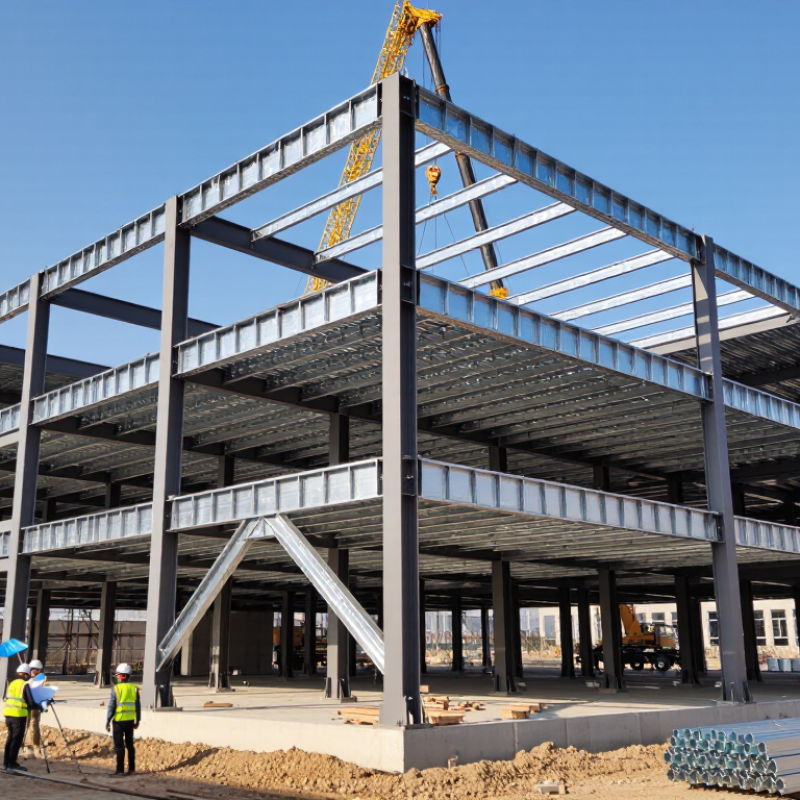
Steel improves building durability by carrying loads through a strong, predictable frame. In a well-designed structure, steel columns and beams help distribute the weight of floors, roofs, and equipment. Their strength can allow longer spans, reducing the need for interior supports. That matters in a busy workshop or open-plan office, where walls may change over time. Steel connections also help a frame resist movement from wind or earthquakes when engineers design and install them correctly.
Durability depends on more than strength. Moisture can cause corrosion, especially around roof edges, joints, and poorly drained spaces. Protective coatings, suitable detailing, and regular inspections help limit damage. Small signs matter. A rust stain near a bolt deserves attention, not paint alone. Fire protection is another part of the design: steel can lose strength at high temperatures, so assemblies may need tested fire-resistant coverings. These protections add cost and require careful maintenance. They are easy to overlook.
Steel can also support repairs and future changes. A damaged member may sometimes be reinforced or replaced without rebuilding the entire structure, though access and connection details affect what is practical. Reuse is possible, but it is not automatic; components need assessment before they serve another building. Steel is durable, not invulnerable, and a few design decisions made early can matter for decades.
Choosing a steel grade starts with the forces a member must carry, but strength is only part of the decision. A high-strength grade may reduce member size, yet it can require tighter fabrication controls or affect weld details. Check the applicable design standard and the exact product form; grade names and properties can vary between specifications. Small print matters.
For a beam exposed to cold conditions, verify impact toughness at the expected service temperature. For welded connections, review weldability and the fabricator’s qualified procedures. Near marine air or road salt, consider corrosion protection, drainage, and inspection access alongside the grade itself. Weathering steel is not automatically suitable; persistent moisture can undermine its protective patina. There is no shortcut here.
Compare yield strength, tensile strength, ductility, and toughness against the project’s load cases, not just a catalog figure. Ask the structural engineer and steel supplier to confirm material certificates, traceability, and availability before drawings are finalized. I would also revisit the assumptions after fabrication begins: real connection geometry can expose details that looked harmless on paper. That check is easy to overlook.
Specified minimum yield strength indicates the stress at which steel begins to deform permanently. Higher-strength grades can support structural performance, but durability also depends on corrosion protection, fatigue resistance, connections, and sound detailing.
Values shown are representative specified minimum yield strengths for common product thicknesses: ASTM A36, 250 MPa; ASTM A572 Grade 50, 345 MPa; and ASTM A992, 345 MPa. Applicable limits can vary with product form and thickness; check the governing standard and project specifications.
Durable steel design starts with a clear load path, from roof members through columns and connections into the foundations. Engineers should account for wind, snow, occupancy, and seismic forces using applicable building codes. Bracing and well-detailed connections help limit movement and reduce stress concentrations. Small details matter. A stiff frame alone cannot prevent fatigue if repeated loads concentrate at poorly designed joints.
Wear needs equal attention. Water trapped at a beam end can damage coatings and promote corrosion; grit and moving equipment can gradually abrade exposed surfaces. Specify suitable protective coatings, provide drainage, and make vulnerable areas accessible for inspection. Where repeated loading is expected, fatigue-resistant connection details can help. Yet coatings are not permanent, and maintenance plans are sometimes treated as an afterthought. That deserves a second look.
The scale of the challenge is visible in existing infrastructure. ASCE’s 2021 Report Card for America’s Infrastructure reported that 42% of U.S. bridges were at least 50 years old, while 7.5% were classified as structurally deficient. These figures concern bridges, not buildings, but they underline why long-term inspection and preservation matter.
FHWA’s Bridge Preservation Guide also emphasizes proactive maintenance to slow deterioration. For building projects, designers can apply the same practical principle: detail steel systems for inspection, repair, and the actual wear conditions they will face.
Steel can support durable buildings, but its performance depends on how well it is protected. Water trapped around connections or inside hollow sections can start corrosion. Design details should help water drain and allow air to circulate. Where steel meets another metal, suitable separation can reduce corrosion caused by direct contact. Coatings also need clean, properly prepared surfaces. Small gaps matter.
Fire protection needs to match the building’s design and expected fire conditions. Approved protective coatings or boards can slow steel’s heating, but damaged or incomplete coverage may leave weak spots. Follow the project specifications and have qualified professionals verify the system. Moisture deserves equal attention. Leaks, condensation, and wet insulation can damage coatings over time. Repair the source of water, not just the visible stain. Inspection schedules are easy to overlook; that can become an expensive mistake.
Tips: Check column bases, roof joints, and exterior connections after heavy rain. Look for bubbling paint, rust stains, or damp insulation. Record defects and repairs, and arrange prompt assessment when damage reaches structural steel. Don’t paint over active rust. Inspect fire protection after nearby construction or service work, too.
Steel structures can serve for decades, but durability depends on routine care, not steel alone. Inspect exposed beams, columns, connections, and base plates on a regular schedule. Look for rust streaks, blistered paint, standing water, loose bolts, and debris packed into corners. Small details matter. A thin coating failure around a bolt head can let moisture reach the steel beneath it.
Pay special attention after storms, leaks, or nearby construction. Water always finds gaps. Clear blocked drains and check that roof runoff does not spill onto steel supports. Where coatings are damaged, remove loose material and prepare the surface before applying a compatible protective system. Painting over rust may look like a repair, but corrosion can continue underneath. That shortcut is easy to regret.
Keep dated inspection notes and photographs, especially of cracks, deformation, or recurring wet areas. Compare them over time; a small change may matter more than a single snapshot. Not every stain signals a structural problem, and not every concern is easy to judge from the ground. Have a qualified professional assess suspected damage and select repairs suited to the structure’s exposure. Maintenance plans also need revision. The first schedule may miss a leaky joint or a spot that stays wet through winter.
Create a clear load path from the roof to columns, connections, and foundations. Account for wind, snow, occupancy, and seismic forces. Small connection details matter.
Not always. Repeated loads may concentrate stress at poorly designed joints. Fatigue-resistant connections can reduce this risk.
Specify suitable coatings for the expected environment. Protect exposed areas from grit, moving equipment, and repeated contact. Some vulnerable surfaces still need regular inspection.
Trapped water can damage coatings and encourage corrosion. Beam ends, roof joints, and hollow sections need paths for water and air. Small gaps matter.
Use suitable separation where direct contact could cause corrosion. Check connection details, fasteners, and hidden interfaces carefully. These areas are easy to miss.
Use approved protective coatings or boards suited to the building’s fire conditions. Damaged or incomplete coverage can create weak spots. Verification by qualified professionals is important.
Look for bubbling paint, rust stains, damp insulation, and water near column bases. Inspect after heavy rain. Do not paint over active rust.
Steel systems should allow inspection, repair, and coating renewal. Maintenance plans are sometimes treated as an afterthought. That deserves another look.
Record the location, visible damage, and repair date. Investigate leaks instead of covering only the stain. Arrange prompt assessment when structural steel is affected. Mistakes happen.
This article explains how steel improves building durability by providing strength, stability, and dependable performance throughout a structure’s life. It describes how selecting suitable steel grades for each application helps balance load capacity, toughness, and resistance to wear. Careful structural design also allows steel systems to withstand expected forces and repeated use, while connections and protective details help limit stress and premature damage.
Durability depends on more than strength alone. The article considers ways to protect steel from corrosion, fire, and moisture through appropriate coatings, insulation, drainage, and construction practices. It also emphasizes regular inspections and timely maintenance, including checking protective layers and addressing small defects before they grow. Together, informed material selection, thoughtful design, effective protection, and consistent upkeep can support long-term serviceability and help buildings remain safe and reliable over time.

Terra Steel