In recent years, the construction industry has seen a significant shift towards steel structures. This trend raises an important question: why steel structures are popular in construction? Steel offers unique advantages that traditional materials often cannot compete with. Its durability and strength are unmatched, making it suitable for diverse building types.
However, it is essential to consider the challenges as well. The initial costs for steel can be higher than wood or concrete. Additionally, sourcing steel sustainably remains a pressing concern. Despite these issues, the long-term benefits often outweigh the drawbacks. Steel structures can enhance design flexibility and reduce construction timelines. They also provide excellent seismic resistance, which is crucial in many regions.
As urbanization increases, the demand for robust and resilient buildings rises. Understanding the reasons behind the popularity of steel structures is key for professionals in the construction field. As we explore these factors, it is vital to maintain a balanced perspective. Embracing both the strengths and weaknesses of steel will lead to better architectural solutions.
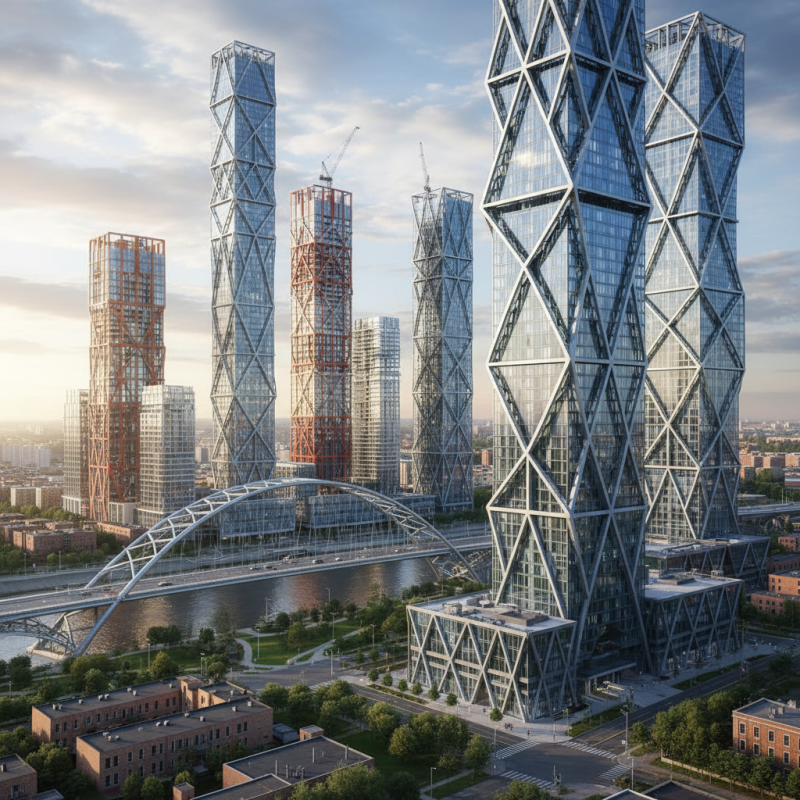
Advantages of Steel Structures Over Traditional Materials
Steel structures have surged in popularity, becoming the backbone of modern construction. They offer numerous advantages over traditional materials like wood and concrete. One key benefit is durability. Steel can withstand extreme weather conditions, reducing overall maintenance costs. It is more resistant to pests and rot, which often plague wood-based structures.
Another advantage lies in the sustainability of steel. It can be recycled endlessly without losing quality. This aspect is crucial in today’s environment-focused construction industry. Additionally, steel structures allow for faster construction timelines. They can be prefabricated off-site and assembled quickly, which saves time and labor costs.
However, some may question the high initial costs. While the upfront investment in steel can be significant, long-term savings often make it worthwhile. The flexibility in design and the strength of steel provide architects with creative freedom. Still, it's essential to remain critical of engineering practices. Flaws from improper design or installation can lead to significant issues. Addressing these challenges is vital for future advancements in construction.
Advantages of Steel Structures Over Traditional Materials
Sustainability and Environmental Impact of Steel Construction
The construction industry is evolving, and steel structures are at the forefront of this change. The sustainability of steel as a building material is a significant factor. Reports indicate that steel frames can reduce energy consumption by up to 30% during construction processes. By utilizing steel, waste is minimized, leading to a lower environmental footprint.
Recycling plays a crucial role in the sustainability factor. Steel is highly recyclable, with studies showing that approximately 86% of steel is reused. This circularity in production minimizes the extraction of raw materials, making it a more responsible choice. Furthermore, steel structures can be designed for disassembly, allowing for future renovations or repurposing without generating excessive waste.
Tip: Consider the long-term environmental benefits when planning a project. Choose materials that promote sustainability.
While the advantages are clear, challenges exist. The production of steel can be energy-intensive. However, the adoption of technologies to improve efficiency is growing. Current trends include using renewable energy sources in steel production. This shift could potentially reduce emissions by 50% by 2030.
Tip: Stay updated on new technologies that reduce the carbon footprint of steel construction.
The future hinges on finding a balance between structural need and environmental responsibility. Steel structures continue to rise, paving the way for a more sustainable industry.
Innovations in Steel Technology and Design Methods
Recent innovations in steel technology are truly transforming construction. Modern steel alloys are lighter yet stronger, allowing for taller buildings and longer spans. This means architects can explore more ambitious designs while maintaining safety and structural integrity. Changes in fabrication techniques, such as advanced computer modeling and automated welding, speed up construction timelines significantly. Fewer errors occur during the assembly process, which boosts reliability.
However, this shift isn’t without challenges. Integration of new technologies can involve a steep learning curve for professionals in the field. Training and certification for workers on these advanced methods require time and resources. Additionally, sustainable practices in steel production are critical. While new technologies improve efficiency, the environmental impact of steel must still be addressed. Steel recycling programs are vital for limiting waste and reducing carbon footprints.
Exploring advanced design methods also impacts engineering solutions. Innovative frameworks, such as modular steel construction, enable off-site manufacturing and faster on-site assembly. Despite this progress, some experts argue that reliance on steel may overlook alternative sustainable materials. The future lies in balancing steel's advantages with eco-friendly practices. In this rapidly evolving industry, reflection and adaptation are essential for truly sustainable construction.
Economic Benefits of Using Steel in Construction Projects
The use of steel in construction presents significant economic benefits. Steel structures are often more cost-effective than traditional materials. They can reduce labor costs due to their prefabrication. This approach minimizes on-site assembly time. It streamlines project timelines, allowing for faster completion.
Using steel also leads to fewer maintenance expenses in the long run. Steel is durable and resistant to weather and pests. This longevity means lower replacement costs. Money saved can be reallocated to other project areas. Investing in steel structures can result in higher returns for construction companies.
**Tip:** When considering materials, calculate long-term savings, not just initial costs.
Sustainability is another economic factor. Steel is 100% recyclable. Choosing steel can align projects with green building standards. This can attract environmentally conscious clients.
**Tip:** Research local recycling facilities to enhance your sustainability efforts.
Despite its advantages, challenges exist. Prices of steel can fluctuate based on market demand. This uncertainty requires careful planning and management. Comprehensive budgeting can help mitigate risks. Embracing steel's potential is essential for future construction success.
Why Are Steel Structures the Future of Construction? - Economic Benefits of Using Steel in Construction Projects
| Benefit |
Description |
Example of Savings |
| Cost Efficiency |
Steel's durability reduces long-term maintenance costs. |
Up to 20% savings over a project's lifecycle. |
| Speed of Construction |
Prefabricated steel components allow for quicker assembly on-site. |
Reduces project timelines by up to 30%. |
| Sustainability |
Steel is recyclable, reducing waste and promoting sustainability. |
Potentially lower disposal costs by 15%. |
| Design Flexibility |
Allows for larger spans without support columns. |
Upsizes usable space by 15% compared to other materials. |
| Safety |
Steel structures have high strength-to-weight ratios, reducing collapse risks. |
Fewer insurance costs linked to structural failures. |
Safety and Durability of Steel Structures in Various Climates
Steel structures are increasingly recognized for their safety and durability across various climates. One of the key benefits of steel is its resistance to harsh weather conditions.
In extreme temperatures, steel maintains structural integrity. This is crucial for buildings in both hot deserts and freezing climates. It withstands thermal expansions and contractions better than many materials, reducing the risk of cracks.
Moreover, steel structures perform exceptionally well in seismic zones. They provide flexibility to absorb shocks during earthquakes, protecting lives and property. In areas prone to hurricanes or heavy winds, steel's strength ensures stability. However, some owners might hesitate due to initial costs or the perception of cold aesthetics.
Corrosion can be a concern in coastal regions, yet this is manageable with proper coatings. Regular maintenance is essential, and not every steel structure receives it. Some buildings suffer from neglect, revealing vulnerabilities. Building professionals must address these issues to maximize steel’s potential. Understanding the balance between maintenance and design is vital for optimizing safety in all environments.
FAQS
: Steel offers durability, sustainability, and faster construction timelines compared to traditional materials.
Steel withstands extreme weather, resists pests, and does not rot, reducing maintenance costs.
Yes, steel can be recycled endlessly, making it an eco-friendly choice in modern construction.
The initial investment for steel can be high, but long-term savings may outweigh upfront costs.
Modern steel alloys and fabrication techniques allow for innovative designs and quicker construction timelines.
Professionals may face a learning curve and require additional training for advanced methods.
Yes, steel maintains integrity in extreme temperatures and performs well in seismic zones.
Proper coatings can protect steel from corrosion, especially in coastal regions.
Neglecting regular maintenance can reveal vulnerabilities, impacting the safety of the structure.
Yes, while steel has advantages, considering alternative materials can promote truly sustainable construction.
Conclusion
In recent years, why steel structures are popular in construction has become a vital topic due to their numerous advantages over traditional materials. Steel offers remarkable strength and flexibility, allowing for innovative designs and efficient construction processes. This adaptability not only accelerates project timelines but also enhances the aesthetic appeal of buildings. Furthermore, steel is highly sustainable, as it can be recycled repeatedly without loss of quality, significantly reducing environmental impact.
Economic benefits are also a major factor driving the adoption of steel in construction projects. The durability of steel structures ensures long-term savings in maintenance and repair costs, while their robust performance in various climates increases their lifespan. Innovations in steel technology and design methods continue to improve safety standards and construction efficiency, solidifying steel as a preferred choice for future construction endeavors.

 Terra Steel