In the realm of construction, understanding how steel is processed for construction use is critical. Steel is a versatile material, adapting well to various structures. Renowned expert Dr. Emily Carter from the Steel Institute emphasizes, “The process of steel shaping determines its strength and efficacy in building applications."
Steel processing involves several intricate steps. Raw steel undergoes refining, shaping, and finishing. Each step plays a vital role in enhancing its properties. By controlling temperature and pressure, manufacturers achieve optimal results. This precision directly impacts the performance of buildings and infrastructure.
However, many overlook the complexities of this process. Factors such as impurities and alloying elements can diminish steel quality. The industry must continually reflect on these challenges to ensure safety and sustainability. Understanding how steel is processed for construction use helps address these critical concerns and fosters better practices in the industry.
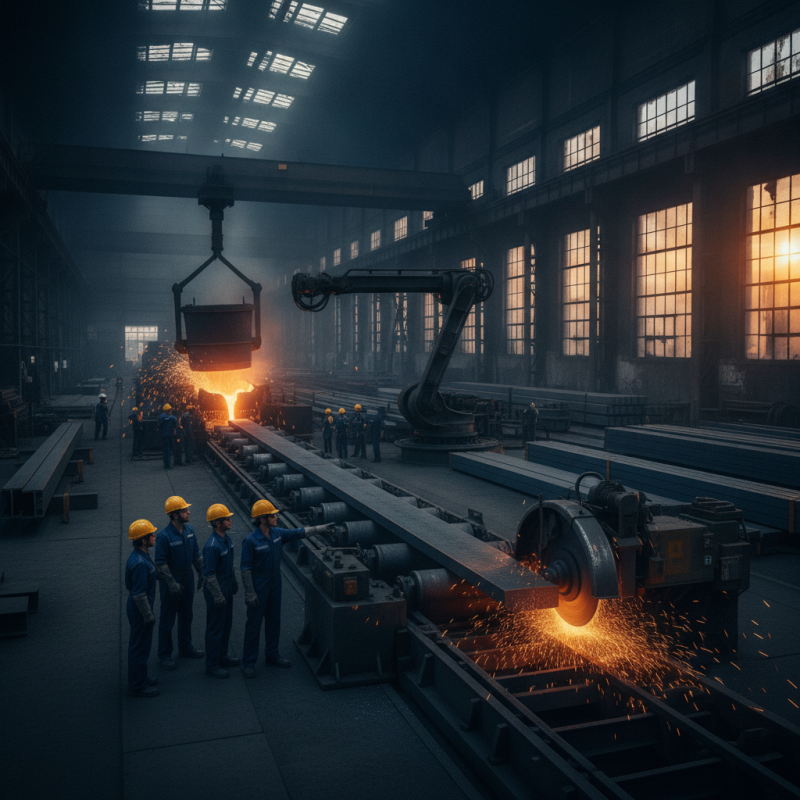
Steel processing in the construction industry includes several essential methods. The primary processes are melting, casting, rolling, and finishing. According to the World Steel Association, around 1.9 billion metric tons of steel were produced globally in 2022. This massive volume supports various construction applications, including buildings, bridges, and infrastructure.
Melting involves heating scrap steel to high temperatures. This creates molten steel, which is then cast into shapes suitable for construction. Rolling is another crucial step. Hot or cold rolling transforms cast steel into structural shapes like beams, channels, and plates. The final finishing processes include surface treatments that enhance durability. An ASTM report noted that proper finishing can increase a steel structure's lifespan by up to 25%.
Tips: Always consider the sustainability of steel production. The carbon footprint is a significant concern. Look for manufacturers that prioritize eco-friendly practices.
Understanding the complexities of steel processing is vital. Many projects overlook the necessary precision in each stage. A miscalculation during rolling can lead to structural weaknesses. Ensure that all specifications are met during every step to prevent future issues.
Steel production starts with key raw materials. Iron ore is the main ingredient. It’s mined and processed to remove impurities. Next, coal is used to produce coke. Coke serves as a fuel and a reducing agent in the smelting process. These elements create a strong foundation for steel production.
Limestone also plays a crucial role. It acts as a flux, helping to purify the iron. During metal production, limestone combines with impurities and forms slag. This byproduct can be recycled in construction. Each component has a specific purpose in the steel-making process.
Understanding these raw materials is vital. Sourcing quality ingredients impacts the final product. However, challenges arise. Not all iron ore or coal is the same. Variations can affect strength and durability. This highlights the need for careful selection and processing. Balancing quality with cost is often a difficult task for producers.
Steel processing for construction begins with iron ore extraction. This raw material is mined from the earth, then crushed and processed. The next step involves using a blast furnace. Here, the iron ore is heated with carbon and limestone. This high temperature helps separate impurities from the iron, resulting in molten iron.
After obtaining molten iron, the production shifts to steelmaking. This process often utilizes a basic oxygen furnace. Oxygen is introduced to reduce carbon content, transforming the molten iron into steel. Once steel is produced, it is poured into molds and allowed to cool. The cooled steel can then be further processed into shapes suitable for construction.
The journey from molten iron to usable steel is complex and requires precision. Each step has its own challenges, such as maintaining the temperature and preventing contamination. Even a small error can affect the final product's quality. Therefore, continuous monitoring and adjustments are crucial in this industrial process.
Quality control is crucial in steel processing for construction. It ensures the integrity and safety of structures. Various measures are employed to maintain high standards. According to a report by the American Institute of Steel Construction, improper quality control can lead to failures. This isn’t just a costly issue; it compromises safety.
One of the primary measures is the inspection of raw materials. Before processing, steel must meet specific chemical and physical standards. This can involve testing for properties like tensile strength and ductility. Documentation should accompany each batch, yet gaps often exist. The verification process can be tedious. Attention to detail is essential, but sometimes overlooked in busy facilities.
In addition, in-process inspections are vital. Monitoring during production helps identify deviations early. Automated systems can assist, yet human oversight remains indispensable. The chart from the Steel Construction Society indicates a 15% increase in defects when inspections are lax. Practicing consistent quality checks is fundamental. It not only maintains standards but also builds trust in construction projects. The challenge lies in balancing efficiency with thoroughness. Quality should never be compromised for speed.
Sustainability practices in steel processing are critical for the construction industry. In recent years, the demand for eco-friendly steel production has surged. This shift is driven by a growing awareness of climate change and resource depletion. According to the World Steel Association, approximately 28% of steel is produced using recycled materials. This method significantly reduces energy consumption and carbon emissions.
However, challenges persist. The traditional blast furnace process remains prevalent, emitting substantial greenhouse gases. Reports indicate that the steel industry is responsible for around 7% of global CO2 emissions. Transitioning to methods like Direct Reduced Iron (DRI) could offer solutions. DRI utilizes natural gas instead of coal, lowering emissions significantly. Yet, this technology is not widely adopted due to cost barriers and infrastructure limitations.
Additionally, sustainable practices need to be applied throughout the steel supply chain. Transportation and logistics contribute to the carbon footprint as well. Optimizing these processes is crucial for overall sustainability. While progress is being made, there is still much work to do. The industry must overcome economic and technical hurdles to achieve true sustainability. A collaborative approach among stakeholders is essential for meaningful change.
| Processing Stage | Description | Sustainability Practice | Environmental Impact |
|---|---|---|---|
| Iron Ore Extraction | Mining raw iron ore from the earth. | Use of renewable energy in mining operations. | Reduction in carbon emissions. |
| Smelting | Heating iron ore with a reducing agent to extract molten iron. | Implementing energy-efficient furnaces. | Diminished energy consumption. |
| Casting | Pouring molten iron into molds to create desired shapes. | Recycling scrap metal during casting. | Less dependency on raw materials. |
| Rolling | Shaping steel into plates, bars, or rods. | Using waste heat recovery systems. | Lowering overall energy use. |
| Surface Treatment | Applying coatings to protect against corrosion. | Utilizing eco-friendly coating materials. | Reduced toxic emissions during application. |
: The main methods include melting, casting, rolling, and finishing. Each step is essential for quality.
Melting involves heating scrap steel until it becomes molten. Then it can be shaped for construction.
Rolling transforms cast steel into structural shapes like beams and plates. This is crucial for construction applications.
Iron ore, coal, and limestone are essential. Variations can impact the strength and durability of the final product.
Quality control ensures integrity and safety. Lapses can lead to costly failures and safety risks on construction sites.
Steel must meet specific standards before processing. Testing for properties like strength is a key part of this process.
They identify deviations early in the process. Automated systems can assist, but human oversight is still necessary.
Balancing efficiency with thoroughness is difficult. Sometimes, details are overlooked in busy production environments.
Finishing enhances durability and can increase a structure's lifespan by up to 25%. It's a vital step that shouldn't be rushed.
It directly affects the final product's quality. Careful selection is needed, as not all materials are the same.
The article "How is Steel Processed for Construction Use Explained?" provides a comprehensive overview of the various methods used in the steel processing industry, emphasizing their significance in construction. It begins by outlining the key raw materials necessary for steel production and their roles in creating high-quality steel. The step-by-step manufacturing process—from extracting iron ore to delivering finished steel ready for construction—is detailed, highlighting the intricate procedures involved.
Furthermore, the article addresses essential quality control measures implemented during steel processing to ensure that the final products meet stringent construction standards. It also discusses the sustainability practices adopted within the industry to minimize environmental impact. Through this exploration, readers gain a clearer understanding of how steel is processed for construction use, and the critical considerations that underpin the production of this vital material.

Terra Steel