Cutting steel on a construction site is more than pressing a trigger and following a marked line. The right method depends on steel thickness, cutting equipment, site conditions, and worker training. A clean cut can still become dangerous when sparks meet dust, fuel, packaging, or hidden services nearby. This guide explains how to cut steel safely on construction sites through practical controls, careful planning, and disciplined work habits.
Safety starts before the blade, disc, or torch touches metal. Workers should inspect guards, leads, hoses, handles, and emergency controls. Damaged equipment needs removal from service. Eye protection, hearing protection, gloves, suitable clothing, and safety footwear should match the task. Respiratory protection may also be necessary when coatings, paint, or contaminated steel create harmful fumes. Check the manufacturer’s instructions and the project’s approved risk assessment.
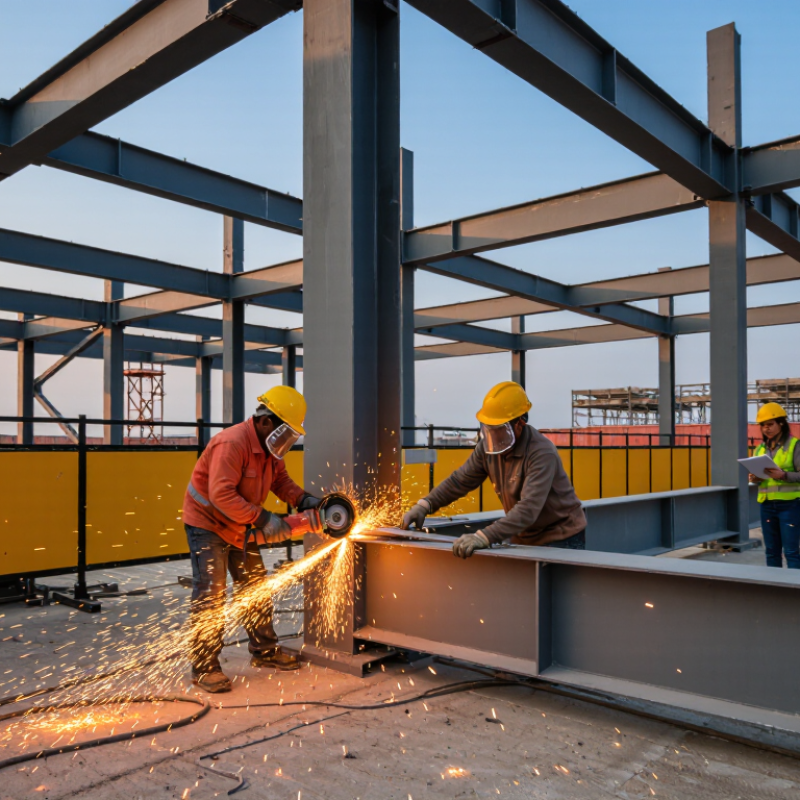
Keep the workpiece stable. Mark the cut clearly. Secure loose sections against movement, and keep bystanders outside the spark zone. A fire-resistant screen, suitable extinguisher, and controlled hot-work area can prevent a small spark from becoming a major incident. Never cut near flammable materials without proper controls. Stop when visibility falls, equipment behaves strangely, or fatigue affects judgment.
Small details matter.
Experienced teams still miss things. A rushed setup, an overlooked cable, or a poor cutting angle can change the outcome within seconds. The safest approach combines technical knowledge with honest reassessment throughout the task. Before starting, ask a simple question: can this cut be completed without exposing people, equipment, or the structure to unnecessary risk?
How to Cut Steel Safely on Construction Sites?
Steel cutting creates more than sparks. It can produce flying fragments, sharp edges, noise, vibration, and hot metal. A damaged disc may shatter within seconds. Kickback can pull a worker toward the blade. Painted, coated, or galvanized steel may also release harmful fumes when heated. OSHA estimates that about 1,000 American workers suffer workplace eye injuries each day. NIOSH also reports that 22 million workers face potentially hazardous noise annually. These figures make eye and hearing protection essential, not optional.
Tips: Inspect the saw, guard, disc, cable, and emergency stop before cutting. Secure the steel with clamps, not a nearby boot. Keep both hands outside the cutting path. Wear tested eye protection, face protection, hearing protection, gloves, and flame-resistant clothing. Control sparks away from fuel, insulation, gas cylinders, and other workers. Use local extraction or suitable respiratory protection when coatings or dust create exposure risks. Never cut unidentified coated steel casually.
A clean cut still leaves a dangerous edge. Mark it clearly, remove burrs, and let hot pieces cool before handling. The work area should stay dry and uncluttered. OSHA’s injury data shows why small oversights matter. Yet checklists can create false confidence. Even experienced crews may skip ventilation when production pressure rises. Supervisors should pause the task when conditions change, especially indoors or near combustible materials. Sources: OSHA Safety and Health Topics; NIOSH Noise and Hearing Loss Prevention.
Construction workers face multiple high-risk hazards while cutting and handling steel. The chart shows OSHA-reported U.S. construction fatalities in 2023 associated with the construction industry's leading hazard categories. Use machine guards, eye and face protection, hearing protection, electrical controls, safe material handling, and fall-prevention systems to reduce exposure during steel-cutting work.
Source: U.S. Occupational Safety and Health Administration (OSHA), Construction Industry Fatal Four, 2023.
Steel cutting safety begins with equipment selection, not the face shield.
On busy sites, the wrong tool creates heat, sparks, noise, and unstable offcuts. Choose a guarded saw for controlled cuts, then secure steel with a clamp or fixture. For repeated work, cold-cutting equipment may reduce sparks, but it still produces sharp swarf. Check the disc rating, guard, power lead, trigger, and emergency stop before connecting power. Never use a cracked wheel. Simple, but often missed.
The U.S. Bureau of Labor Statistics recorded 1,075 fatal construction injuries in 2023, according to its Census of Fatal Occupational Injuries. That figure does not prove cutting caused them. It does show why routine controls deserve attention.
PPE should match the exposure, not habit. Wear impact-rated eye protection under a face shield; sparks can enter from below. Use hearing protection near powered saws, and confirm its attenuation rating. Wear cut-resistant gloves when handling finished steel, but keep loose gloves away from rotating blades. Choose snug clothing and safety boots with firm, protective soles. Cutting coated or stainless steel may require local exhaust and suitable respiratory protection. A disposable mask is not automatically adequate.
A competent person should inspect the setup and control nearby workers. Use spark screens, remove flammable materials, and mark hot steel clearly. The UK Health and Safety Executive reported 51 fatal construction injuries in Great Britain during 2023/24.
On real sites, workers often rush the final cut. That is a weak point in many plans. Stop, reset, and check the clamp again.
How to Cut Steel Safely on Construction Sites?
Preparing the work area matters before any cutting begins. Clear scrap, cables, oils, and loose tools from the floor. Keep the cutting zone dry and well ventilated. Mark a boundary so pedestrians cannot enter unexpectedly. Place a stable, non-combustible workbench on level ground. Secure it firmly before lifting heavy steel. Sparks can travel farther than expected. Check nearby walls, insulation, and stored materials for fire risks. A suitable fire extinguisher should remain accessible, and a trained person should monitor the area.
Inspect the steel before cutting. Remove mud, coatings, and sharp burrs that could hide defects. Support long sections at several points to prevent sudden movement. Clamp the work securely, but avoid placing hands near the cutting path. Confirm the measurement twice. A short cut cannot be repaired easily. Wear eye protection, hearing protection, gloves, safety footwear, and suitable flame-resistant clothing. Choose protection based on the cutting method and site assessment. Do not cut unknown or sealed containers. That shortcut is not worth the risk.
Tips: Keep a clear escape route behind the operator. Check guards, leads, hoses, and connections before use. Make a brief test cut only when the setup is stable. Stop if the steel shifts, smokes unusually, or produces unexpected sparks. Do not rely on confidence alone. No checklist replaces judgment. A rushed setup may save minutes, but it can create hours of correction. Inspect the area again after cutting, because hot metal may remain dangerous long after the sparks disappear.
How to Cut Steel Safely on Construction Sites
Safe steel cutting begins before the blade touches metal. Review the cutting plan, identify nearby workers, cables, fuel, and combustible dust. The U.S. Bureau of Labor Statistics recorded 1,075 fatal work injuries in construction during 2023. That figure reinforces a simple point: preparation cannot be rushed.
Inspect the saw, guard, blade, power lead, and emergency stop. Replace damaged parts. Clamp the steel firmly on stable supports, leaving the cut line clear. Mark the line visibly. Put on eye protection, hearing protection, cut-resistant gloves, safety footwear, and suitable face protection. Keep sparks directed away from people and flammable materials. Good ventilation matters, especially indoors. It is easy to forget the air.
Start the tool only after announcing the cut and checking the exclusion zone. Let the blade reach operating speed before gentle contact. Do not force it, twist the blade, or reach across moving parts. OSHA identifies struck-by hazards as one of construction’s “Fatal Four” hazards, and a loose offcut can become a dangerous projectile. Stop immediately if the blade binds, overheats, or vibrates.
After cutting, isolate the power before changing blades or clearing scraps. Treat every offcut as hot until tested carefully. Remove sharp swarf with tools, not bare hands. The CPWR Data Center continues to show that small-site safety practices vary widely. That should prompt reflection: a familiar task may deserve a fresh briefing every time.
Cutting steel safely depends on what happens after the blade stops. Inspect each piece under good lighting. Check for sharp burrs, hairline cracks, warped edges, and heat-darkened areas. Run a gloved hand near the edge, not directly across it. Better still, use a visual check and a deburring tool. Remove damaged pieces from the work zone immediately.
OSHA recorded 395 fall deaths, 101 struck-by deaths, and 56 caught-in or between deaths in construction during 2022. Loose steel offcuts can contribute to several of these hazards. Stack finished sections on stable supports, away from walkways and access ladders. Keep small pieces in a marked container. Not on the floor. OSHA 29 CFR 1926.25 also requires construction areas, passageways, and stairs to remain clear of scrap and waste.
Cleaning needs the same discipline as cutting. Collect metal chips with a brush and shovel, or use equipment designed for fine debris. Do not grab offcuts casually, even with gloves. Inspect gloves for punctures before handling steel. A quick sweep can miss a thin shard near a boot or wheel. I have seen this step rushed when production pressure rises. That is a weak point worth admitting. Recheck the floor after moving stock, because chips often hide beneath supports. The U.S. Bureau of Labor Statistics reported 1,075 construction fatalities in 2023, with a fatality rate of 9.6 per 100,000 full-time workers. Small housekeeping failures deserve serious attention.
| Work Stage | Inspection Item | Measurable Safety Criterion | Required Safe Practice | Sample Result | Corrective Action |
|---|---|---|---|---|---|
| Before Cutting | Work authorization and task assessment | A task risk assessment is completed, and a hot-work permit is used where required by the site procedure. | Confirm the cutting method, surrounding hazards, emergency arrangements, and responsible supervisor before starting. | Pass | Stop work until the assessment and authorization are complete. |
| Before Cutting | Combustible-material control | Combustible materials are removed or protected within 35 ft (10.7 m) of the cutting area where practical. | Use non-combustible covers or fire-resistant screens when materials cannot be relocated. Protect openings and lower levels from sparks. | Pass | Remove or shield exposed materials before cutting. |
| Before Cutting | Personal protective equipment | Eye and face protection, suitable gloves, hearing protection, safety footwear, and protective clothing are available and correctly worn. | Use protection suitable for flying particles, hot metal, sharp edges, noise, and the selected cutting process. | Pass | Replace damaged or unsuitable PPE before work begins. |
| Before Cutting | Cutting tool and guard | The tool, power lead, cutting wheel or blade, and guard are intact, correctly fitted, and suitable for the material. | Inspect for cracks, excessive wear, damaged cables, loose parts, and missing guards. Disconnect power before changing accessories. | Pass | Tag out defective equipment and use an approved replacement. |
| During Cutting | Workpiece stability | The steel is securely supported, with the cut line accessible and no uncontrolled movement expected when the cut is completed. | Use stable supports and clamps where needed. Keep hands away from the cutting path and avoid supporting the offcut by hand. | Pass | Reposition or secure the steel before continuing. |
| During Cutting | Sparks, fumes, and fire control | Sparks are directed away from people, cylinders, cables, openings, and combustible materials; suitable fire equipment is immediately available. | Maintain ventilation appropriate to the process and use a fire watch when required by the permit or site rules. | Pass | Stop cutting and improve shielding, ventilation, or fire protection. |
| After Cutting | Hot steel identification | The cut piece and offcut are assumed hot until checked and confirmed safe to handle. | Use tools or suitable gloves, mark or isolate hot steel, and place it on a stable non-combustible surface away from walkways. | Pass | Restrict access and add a visible hot-material warning. |
| After Cutting | Cut-edge inspection | The cut matches the approved drawing or work instruction and has no unacceptable cracks, distortion, loose slag, or sharp projections. | Inspect all accessible edges. Remove slag and burrs with an appropriate tool; do not handle edges without hand protection. | Pass | Deburr, rework, or reject the piece according to the approved acceptance criteria. |
| Cleanup | Offcuts and sharp scrap | All offcuts, sharp fragments, used discs, and metal debris are removed from the work zone and placed in designated containers. | Use tools such as tongs, a brush, or a shovel where appropriate. Do not pick up sharp or hot scrap with bare hands. | Pass | Collect and segregate scrap before the area is released. |
| Cleanup | Access, cables, and slip or trip hazards | Walkways, access points, emergency routes, and work platforms are clear of cables, hoses, slag, dust, and metal pieces. | Route or remove cables and hoses, sweep the area using a suitable method, and keep exits and firefighting equipment accessible. | Pass | Restore safe access before workers leave or another trade enters. |
| Final Check | Fire and area reinspection | The completed area is checked for smoldering materials, hidden hot spots, sparks, and residual hazards before the permit is closed. | Complete the final inspection and any required post-work fire watch in accordance with the site hot-work procedure. | Pass | Keep the area controlled and notify the supervisor of any remaining hazard. |
Choose a guarded saw for controlled cuts. Secure the steel with a clamp or fixture. For repeated work, cold-cutting equipment may reduce sparks. It still creates sharp metal swarf.
Inspect the disc rating, guard, power lead, trigger, and emergency stop. Never use a cracked wheel. Simple, but often missed.
Wear impact-rated eye protection under a face shield. Sparks can enter from below. Use hearing protection near powered saws. Choose snug clothing and protective safety boots.
Cut-resistant gloves help when handling finished steel. Keep loose gloves away from rotating blades. Check gloves for punctures. Do not rely on habit alone.
Cutting coated or stainless steel may require local exhaust. Suitable respiratory protection may also be necessary. A disposable mask is not automatically adequate.
A competent person should inspect the setup and control access. Use spark screens and remove flammable materials. Mark hot steel clearly. Keep people outside the cutting area.
Check every piece under good lighting. Look for burrs, hairline cracks, warped edges, and darkened heat areas. Use a visual check first. Then deburr safely.
Stack finished sections on stable supports, away from walkways and ladders. Place small pieces in a marked container. Not on the floor. Collect chips with a brush and shovel.
Workers often rush the final cut or cleanup when production pressure rises. That weakens the whole plan. Stop, reset, and check the clamp again. Recheck the floor after moving stock.
Learning how to cut steel safely on construction sites begins with recognizing the risks, including sharp edges, flying sparks, hot metal, noise, dust, kickback, and unstable materials. Workers should select suitable cutting tools and inspect them before use, while wearing appropriate protective gear such as safety glasses or a face shield, hearing protection, gloves, flame-resistant clothing, and sturdy footwear. The work area should be well ventilated, properly lit, and free from flammable materials, trip hazards, and unnecessary personnel. Steel must be secured firmly, measured accurately, and checked for coatings or contaminants that could create additional hazards.
Safe cutting requires following the equipment instructions, maintaining a stable stance, keeping hands away from the cutting path, and allowing the tool to reach a controlled operating speed before making contact. Workers should never force the cut or leave operating equipment unattended. Afterward, inspect the cut steel for sharp edges, cracks, heat damage, or distortion. Allow hot pieces to cool, remove debris with appropriate tools, and leave the area clean and safe for the next task.

Terra Steel