When exploring the steel industry, understanding what are common steel fabrication methods is crucial for buyers. These methods include welding, cutting, and forming. Each technique plays a significant role in shaping materials for various applications. Buyers need to grasp the nuances of these processes to make informed decisions.
Knowledge of these methods helps establish quality expectations. Buyers can evaluate suppliers based on their capabilities in different fabrication techniques. It's vital to recognize that not all methods suit every project. An understanding of specific needs can lead to better material choices and project outcomes.
Moreover, keeping up with advancements in steel fabrication can enhance buyer confidence. As technology evolves, new methods emerge, improving efficiency and reducing costs. However, it’s essential to reflect on the reliability of suppliers. Not all providers prioritize quality, making research and knowledge necessary for sustainable partnerships.
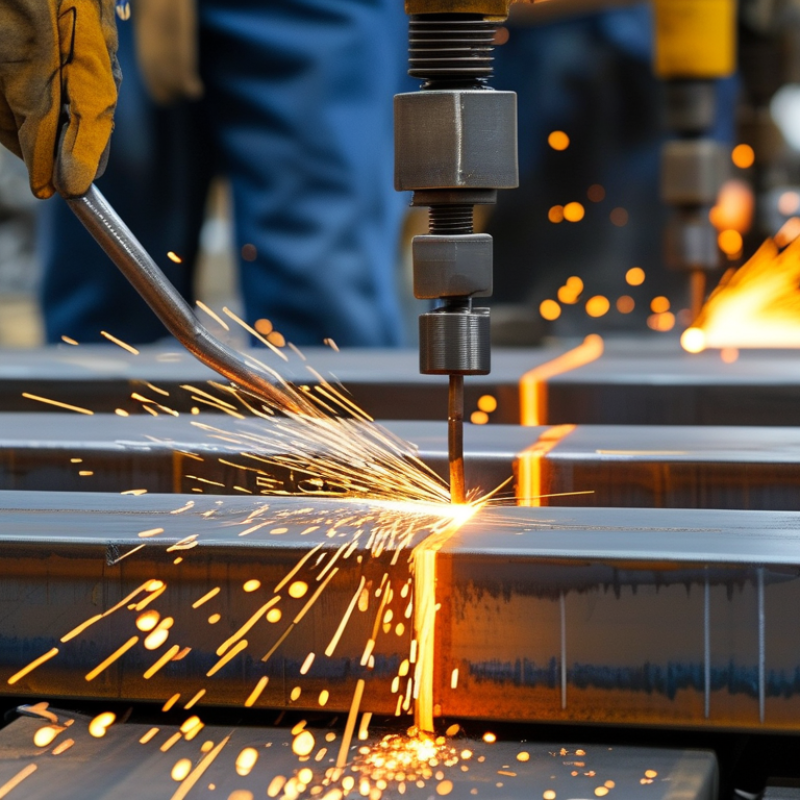
Steel fabrication methods are crucial for buyers looking to obtain high-quality products. Several techniques exist, such as welding, cutting, and bending. Each method has distinct applications and benefits. Understanding these methods helps buyers make informed decisions, impacting the outcome of their projects.
Welding combines metal parts using heat, creating strong joints. Different welding types exist, including MIG and TIG, each suited for specific tasks. Cutting methods vary from traditional sawing to modern plasma cutting. The choice of method affects precision and efficiency. Bending shapes steel into desired angles. Buyers need to consider the end use when selecting fabrication techniques.
**Tips:** Always ask for specifications. Know the tolerances you need for your project. Seek recommendations based on industry standards. Research materials used in each method, as they influence durability. Understanding these details will enhance your purchasing experience.
| Fabrication Method | Description | Applications | Advantages | Considerations |
|---|---|---|---|---|
| Welding | Joining metal parts together by melting them. | Construction, manufacturing, shipbuilding. | Strong joints, versatile. | Requires skilled labor, potential for warping. |
| Laser Cutting | Using a high-powered laser to cut through materials. | Sheet metal parts, signage, machinery components. | High precision, minimal material waste. | Higher equipment costs, limited thickness. |
| Machining | Removing material using cutting tools. | Precision parts, aerospace, automotive. | High accuracy, good surface finish. | Time-consuming, may be costly for small batches. |
| Punching | Using a punch press to create holes in metal. | Sheet metal work, HVAC systems, enclosures. | Speedy production, efficient for large quantities. | Limited design options, not suitable for thick materials. |
| Bending | Deforming metal along a straight axis. | Frames, brackets, ductwork. | Simple process, reduces material waste. | Limited to certain angles, requires tooling. |
: Common methods include welding, cutting, and bending. Each has unique applications and benefits.
Welding combines metal parts using heat, creating strong joints. Different types exist for various tasks.
Cutting methods affect precision and efficiency. Options range from traditional sawing to modern plasma cutting.
It provides structural integrity and durability. Properly fabricated components lead to efficient on-site assembly.
Request samples and check quality. Look for certified fabricators who comply with industry standards.
Each technique has unique material and labor costs. Balancing budget and quality is essential for successful projects.
Investing in high-quality fabrication often leads to durability. Cutting corners now can result in higher future expenses.
Discussing timelines ensures timely delivery. Faster builds reduce labor costs and minimize delays.
No, prioritizing quality over cheap options is vital. Poor choices can lead to significant issues later.
Evaluating previous budget constraints and outcomes helps buyers make informed choices in future projects.
In the construction industry, understanding what are common steel fabrication methods is crucial for buyers looking to ensure the quality and efficiency of their projects. These methods, which include processes like cutting, welding, and assembling, play a significant role in the overall performance and durability of the final structure. Buyers benefit from these techniques as they allow for precise customization and improved project timelines, ultimately enhancing the construction process.
When selecting a steel fabrication method, several factors must be considered, including project requirements, quality control measures, and cost implications. Effective quality control in the fabrication process is essential to maintain standards and ensure safety. Buyers should also assess the cost of various techniques, as this can significantly impact their project budget. By recognizing the importance of common steel fabrication methods, buyers can make informed decisions that lead to successful construction outcomes.

 Terra Steel