How to Identify High Quality Steel Materials for Your Business?

Time:2026-08-06 Author:Amelia
0%

In the competitive world of steel procurement, understanding how to identify high quality steel materials is crucial for businesses. Industry expert Dr. Emily Hartman emphasizes, "The right steel can make or break a project." Her insight highlights the importance of scrutiny in selecting materials that meet both safety and performance standards.

Identifying high quality steel materials involves several key factors. First, consider the composition of the steel. Quality steel typically contains specific alloys that enhance strength and durability. Secondly, look at certifications. A reputable supplier should provide documentation that verifies the steel's origin and properties.

Moreover, physical inspections are vital. Observing the finish and texture can reveal a lot about the material. However, even the best buyers can miss crucial signs. It's essential to remain vigilant and ready to adapt your criteria as industry standards evolve. Always question and verify what you see and hear. In the end, the process of identifying high quality steel materials is an ongoing learning experience.
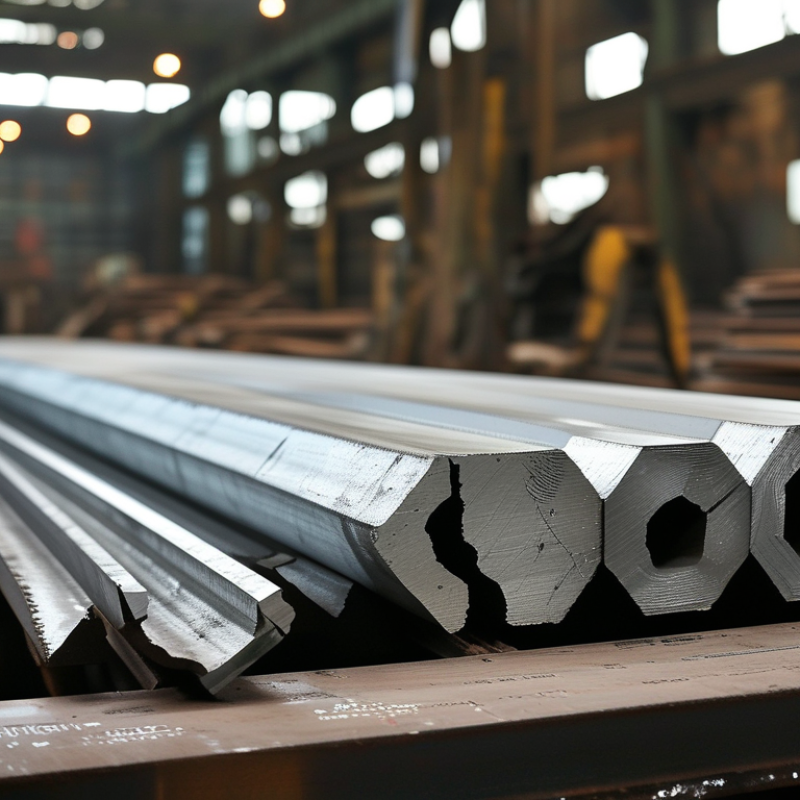
How to Identify High Quality Steel Materials for Your Business?

Understanding the Basics of Steel Material Quality

When evaluating steel materials, quality is crucial for performance and safety. Understanding the basics can guide businesses in making informed decisions. Key indicators include yield strength and ductility. Yield strength measures a steel's ability to withstand loads without deformation. For example, structural steel typically has a yield strength of at least 250 MPa. Ductility, measured by elongation percentage, indicates how much a material can stretch before breaking. High-quality steel should show at least 20% elongation.


Another important factor is the steel's chemical composition. The presence of alloying elements like chromium and nickel can enhance corrosion resistance and toughness. According to industry reports, steels with lower carbon content have better weldability, making them suitable for various applications. However, balancing these properties is challenging. For instance, while adding more chromium improves corrosion resistance, it may reduce ductility.


Testing methods play a significant role in assessing quality. Standards like ASTM A6 define material specifications. Non-destructive testing methods, such as ultrasonic testing, help identify internal defects without damaging the material. While these methods are effective, they can miss subtle flaws. Therefore, relying solely on non-destructive techniques might not provide a complete picture. Each quality indicator presents a puzzle piece. Understanding these pieces helps businesses create a strong foundation for their projects.

Key Properties to Evaluate in Steel Materials

When evaluating steel materials, several key properties stand out. One of the primary factors is tensile strength. It measures how much force the steel can withstand before failing. Reports indicate that high-quality structural steel typically has a tensile strength of 400-700 MPa. This property is crucial for ensuring the integrity of your projects.

Another important property is corrosion resistance. Steel that possesses a high level of corrosion resistance can significantly enhance longevity. For example, galvanized steel can last 50 years or more in harsh environments. If your application involves exposure to moisture, prioritize this feature.

Tips: Consider conducting regular tests on samples from suppliers. Look for certifications and comply with ASTM standards to verify quality. Always ask for detailed specifications. Understanding how your chosen steel behaves under different conditions can prevent future issues. Remember, not all steel is created equal. Ignoring these properties might lead to costly setbacks in your operations.

Common Testing Methods for Assessing Steel Quality

When assessing steel quality, several testing methods can yield crucial insights. Common techniques include tensile testing, hardness testing, and impact testing. Tensile testing measures how much weight the steel can bear before breaking. According to the American Society for Testing and Materials (ASTM), many grades of steel must achieve a minimum yield strength, often over 250 MPa, to be deemed high quality.

Hardness testing can further identify how resistant the steel is to deformation. The Rockwell and Brinell hardness scales are prevalent methods in the industry. A higher hardness value often correlates to better wear resistance. However, it is essential to also consider that excessively hard steel might become brittle, compromising its reliability under certain conditions.

Tip: Always cross-reference testing results with industry standards. This habit ensures that the materials meet the necessary specifications for safety and performance.

Impact testing, such as Charpy tests, assesses the steel's toughness. A high energy absorption rate is ideal in environments prone to sudden shocks. Yet, not all steels perform well in impact tests, which highlights the importance of selecting the right steel for specific applications. Regular reviews of industry reports, such as those from the International Steel Association, can provide updated benchmarks for steel quality.

Steel Quality Testing Methods

Identifying Reliable Steel Suppliers and Manufacturers

Identifying reliable steel suppliers and manufacturers is crucial for ensuring quality in your business operations. According to industry reports, selecting the right supplier can reduce material costs by 15%. This statistic illustrates the financial benefits of partnering with established players in the steel market.

When assessing potential suppliers, consider their certifications and industry reputation. Look for suppliers with ISO 9001 certification, indicating quality management systems. Research shows that 68% of companies prioritize supplier certifications when choosing materials. This trend underscores the importance of working with credible manufacturers. Additionally, engage in direct communication with manufacturers to gauge their reliability and capacity.

Quality tests such as tensile strength and chemical composition analysis are essential. The American Society for Testing and Materials (ASTM) has established standards for steel quality. By adhering to these standards, suppliers can assure customers of their product’s reliability. However, not all suppliers conduct rigorous testing. It’s vital to ask for detailed reports to ensure compliance with these standards. By focusing on these aspects, you can mitigate risks and enhance your purchasing decisions.

Making Informed Decisions for Steel Procurement

When it comes to steel procurement, informed decisions are crucial. Understanding the quality of steel materials can significantly impact your business's success. According to the World Steel Association's annual report, over 1.8 billion tons of steel are produced globally each year. However, not all steel is created equal. Factors such as tensile strength, corrosion resistance, and metallurgical properties must be considered.

Quality assurance is vital in steel selection. The American Society for Testing and Materials (ASTM) provides standards for steel materials. Adhering to these standards ensures the steel meets specific performance requirements. However, relying solely on certifications can be misleading. A reported 30% of companies experienced issues with material inconsistencies, despite having certifications. Evaluating suppliers' quality control processes and conducting independent tests can mitigate risks.

Engaging with reputable suppliers is essential. Look for companies with extensive experience in the industry. Some report that long-term partnerships yield better material quality. Ultimately, your procurement strategy should combine research, supplier audits, and performance testing to ensure you choose high-quality steel.

How to Identify High Quality Steel Materials for Your Business?

Steel Type Yield Strength (MPa) Tensile Strength (MPa) Elongation (%) Applications
Carbon Steel 250 - 550 400 - 700 15 - 30 Construction, Automotive
Alloy Steel 400 - 800 600 - 1000 10 - 25 Machine Parts, Tooling
Stainless Steel 200 - 600 500 - 800 40 - 60 Food Industry, Architecture
Tool Steel 600 - 1400 800 - 1200 5 - 15 Cutting Tools, Dies
High-strength Low-alloy Steel 350 - 700 450 - 900 18 - 30 Structural Use, Bridges

FAQS

: What is tensile strength in steel materials?

: Tensile strength measures how much force steel can withstand before failing. Quality structural steel ranges from 400-700 MPa.

Why is corrosion resistance important?

Corrosion resistance enhances longevity in harsh conditions. For instance, galvanized steel can last over 50 years in moist environments.

How can I verify steel quality before purchasing?

Conduct tests and ask for certifications. Ensure compliance with ASTM standards and check detailed specifications from suppliers.

What are common testing methods for steel?

Common methods include tensile testing, hardness testing, and impact testing to evaluate strength and resistance.

What should I know about hardness testing?

Hardness testing helps identify resistance to deformation. However, overly hard steel may become brittle under certain conditions.

How does impact testing work?

Impact testing, like Charpy tests, assesses toughness by measuring energy absorption. Not all steel performs well, which matters for your project.

Why engage with reputable suppliers?

Experienced suppliers often provide better quality materials. Long-term partnerships can foster more reliable steel procurement.

What role does quality assurance play?

Quality assurance ensures steel meets performance standards. However, certifications can sometimes mislead if material inconsistencies exist.

How can I mitigate risks in steel procurement?

Evaluate suppliers’ quality control processes. Conduct independent tests to confirm the steel’s quality before making decisions.

How much steel is produced globally?

Over 1.8 billion tons of steel are produced each year, highlighting the importance of informed decisions in steel procurement.

Conclusion

In the quest to understand how to identify high quality steel materials for your business, it is crucial to grasp the fundamentals of steel quality. This encompasses key properties such as tensile strength, corrosion resistance, and ductility, which play a significant role in the material’s overall performance. Various testing methods, including tensile tests and hardness tests, can help gauge the quality of steel and ensure it meets industry standards.

Additionally, identifying reliable steel suppliers and manufacturers is essential for maintaining a consistent quality supply. Conducting thorough research and establishing relationships with reputable producers will enable businesses to make informed decisions regarding steel procurement. By considering these factors, companies can effectively navigate the complexities of steel material selection and secure high-quality products that align with their operational needs.

Amelia

Amelia

Amelia is a seasoned marketing professional with a wealth of expertise in our company’s core offerings. With an unwavering passion for driving growth and innovation, she plays a pivotal role in shaping our marketing strategies and enhancing brand visibility. A key aspect of her responsibilities......