When considering outdoor projects, one important factor is durability. A common question arises: how long does galvanized steel last outdoors? Galvanized steel is valued for its rust-resistant properties. However, various factors influence its lifespan.
Environmental conditions play a major role in the longevity of galvanized steel. Areas with high humidity or coastal environments may lead to quicker wear. Additionally, physical damage and exposure to chemicals can weaken the protective coating. Users should be aware that despite its durability, galvanized steel is not entirely maintenance-free.
In some cases, galvanization may not last as long as expected. Regular inspections and maintenance can extend its life. Understanding its limitations can help optimize usage in outdoor settings. Evaluating your specific situation is crucial for achieving the best results with galvanized steel.
Factors Influencing the Longevity of Galvanized Steel Outdoors
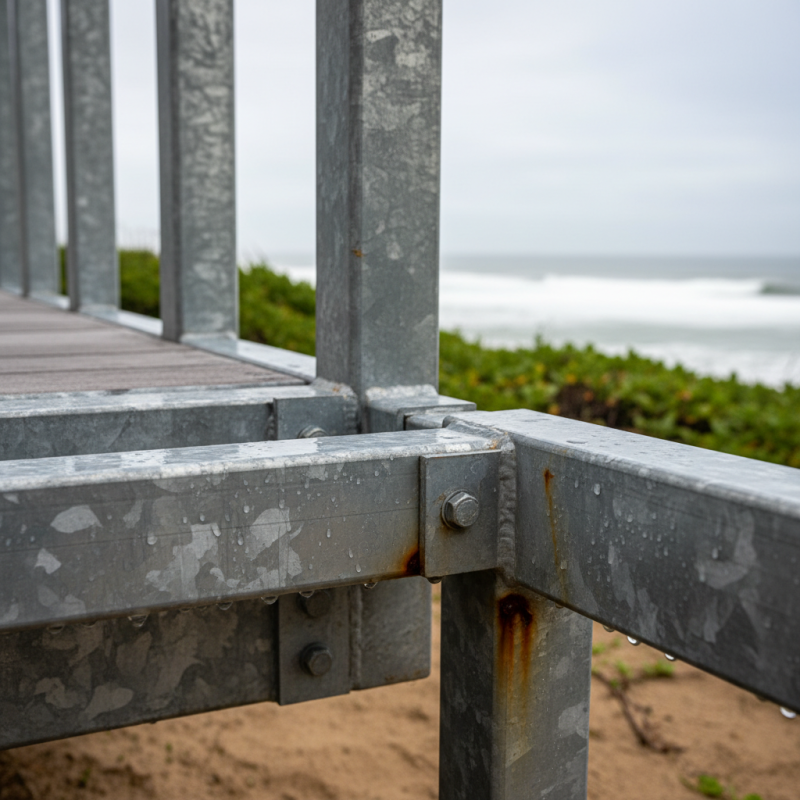
When considering how long galvanized steel can last outdoors, several key factors play a significant role. The environment is a primary influence. For example, areas with high humidity or coastal climates can lead to faster corrosion. Likewise, pollutants like salt and chemicals in the air can weaken the protective zinc coating. Proper maintenance can mitigate some of these effects, ensuring longevity.
Temperature fluctuations also matter. Extreme heat or cold can lead to thermal expansion and contraction, potentially cracking the protective layer. Regular inspections are essential to spot any signs of wear or corrosion early. Protecting galvanized steel from direct soil contact can also prevent moisture accumulation.
Tip: Regular cleaning of galvanized surfaces can help maintain their protective layer. A gentle wash with soap and water can remove harmful debris. Another effective strategy is applying a clear sealant specifically designed for galvanized materials. This adds an extra layer of protection against the elements.
Typical Lifespan of Galvanized Steel in Various Environmental Conditions
Galvanized steel is a popular choice for outdoor projects due to its resistance to corrosion. Generally, in mild environments, galvanized steel can last 20 to 50 years. According to the American Galvanizers Association, this longevity is influenced by factors like humidity and exposure to pollutants. In coastal areas, salt can quickly deteriorate the protective zinc layer, reducing its lifespan significantly.
In harsh environments, such as industrial sites, lifespan expectations may drop. Studies show that heavy industrial pollution can cut the expected life of galvanized steel down to just 5 to 10 years. Conversely, in less corrosive atmospheres, it can last decades. However, maintenance plays a critical role. Regular inspections can identify early signs of wear. This proactive approach may extend the material's life significantly.
Urban environments pose unique challenges. Increased moisture and airborne contaminants can accelerate corrosion rates. Yet, some galvanized structures have performed well in urban settings for over 30 years. As professionals, we must consider the specific conditions of each project. It’s important to weigh the benefits against potential drawbacks. Understanding these environmental influences is key to making informed choices about using galvanized steel.
Prevention Measures to Extend the Life of Galvanized Steel
Galvanized steel is favored for outdoor projects due to its durability. However, it’s not invincible. Understanding how to protect it can significantly enhance its lifespan.
Routine inspections can make a difference. Look for signs of corrosion or wear. If you spot rust, address it immediately. Use a wire brush to remove rust and apply a galvanized steel paint for added protection. Regular cleaning also helps. Dirt and grime can trap moisture, leading to rust. A simple wash with soapy water can keep it looking good.
Consider applying a protective coating. This can be a clear sealant or a rust-inhibiting paint. These products add an extra layer against the elements. Always ensure the surface is clean before applying anything.
Pay attention to how it’s installed. Avoid direct contact with metals that can cause galvanic corrosion. Use non-corrosive hardware and fasteners. Proper placement can minimize moisture accumulation. Think about shade. Ideal placement can reduce sun exposure and rain impact.
Comparison of Galvanized Steel with Other Outdoor Materials
Galvanized steel is a popular choice for outdoor projects due to its corrosion-resistant properties. The zinc coating can significantly extend the lifespan of steel in outdoor environments. Studies show that galvanized steel can last between 20 to 50 years, depending on the conditions it faces. In contrast, regular steel may corrode within a few years if not protected.
When comparing galvanized steel to alternatives like aluminum and stainless steel, differences become apparent. Aluminum offers lightweight advantages and resistance to rust. However, it is less durable in harsh environments. Stainless steel resists corrosion better than regular steel. Yet, it often comes with higher costs. A report by the American Galvanizers Association indicates that galvanized steel typically outlasts these materials when exposed to severe outdoor conditions.
Another aspect worth considering is maintenance. Galvanized steel requires minimal upkeep. Regular inspections help identify any wear on the zinc coating. In contrast, stainless steel might need polishing to maintain its appearance. However, it’s also not immune to pitting and crevice corrosion. Choosing the right material depends on the specific project requirements, budget, and maintenance preferences.
Maintenance Tips for Maximizing the Durability of Galvanized Steel
Galvanized steel is popular for outdoor projects due to its rust-resistant coating. However, to maximize its lifespan, regular maintenance is essential. Periodic inspections can help detect early signs of wear and tear. Look for scratches or dents that may expose the steel underneath. Addressing these areas promptly can prevent rusting from spreading.
Cleaning galvanized steel is another key factor. Use a mild detergent and a soft brush to remove dirt and grime. Harsh chemicals can damage the zinc coating, so choose cleaners wisely. Rinse thoroughly to avoid residue buildup. Additionally, consider applying a clear coat sealer for added protection. This can enhance the steel's longevity and keep it looking new.
Be mindful of the environment as well. Prolonged exposure to salt, pollutants, or heavy moisture can reduce durability. Protect the steel with a strategic placement away from these elements. Sometimes, it’s about finding the right balance between functionality and aesthetics. Understanding these factors can lead to better decisions in your projects.
FAQS
: The environment plays a key role. High humidity and coastal areas lead to faster corrosion.
Yes, pollutants like salt and chemicals can weaken the zinc coating, increasing the risk of corrosion.
Regular cleaning with soap and water helps remove harmful debris. Inspect regularly for any signs of wear.
Extreme heat or cold can cause the protective layer to crack due to thermal expansion and contraction.
It can last between 20 to 50 years, depending on environmental conditions and maintenance.
Aluminum is lightweight and rust-resistant but less durable in harsh environments compared to galvanized steel.
Stainless steel resists corrosion better, but it is often more expensive and requires more maintenance.
No, galvanized steel needs minimal upkeep. But stainless steel may require polishing to maintain its appearance.
Soil contact can lead to moisture accumulation, speeding up corrosion processes.
Consider project requirements, budget, and how much maintenance you're willing to perform. Different materials have unique needs.
Conclusion
When considering "how long does galvanized steel last outdoors," several factors come into play, including environmental conditions, exposure to moisture, and the presence of corrosive elements. Typically, galvanized steel can last anywhere from 20 to 50 years outdoors, depending on these influencing factors. For example, in rural areas with low humidity, the lifespan can be significantly longer compared to coastal regions where salt air accelerates corrosion.
To maximize the durability of galvanized steel, regular maintenance and preventive measures are essential. This includes applying protective coatings and ensuring proper drainage to minimize water accumulation. Additionally, a comparison with other outdoor materials reveals that galvanized steel often offers superior longevity and resilience against rust, making it a favorable choice for outdoor projects. By understanding these elements, one can effectively plan for the longevity of galvanized steel in various applications.

 Terra Steel