How Does Galvanization Protect Steel from Rust in 2026?

Time:2026-05-09 Author:Sienna
0%

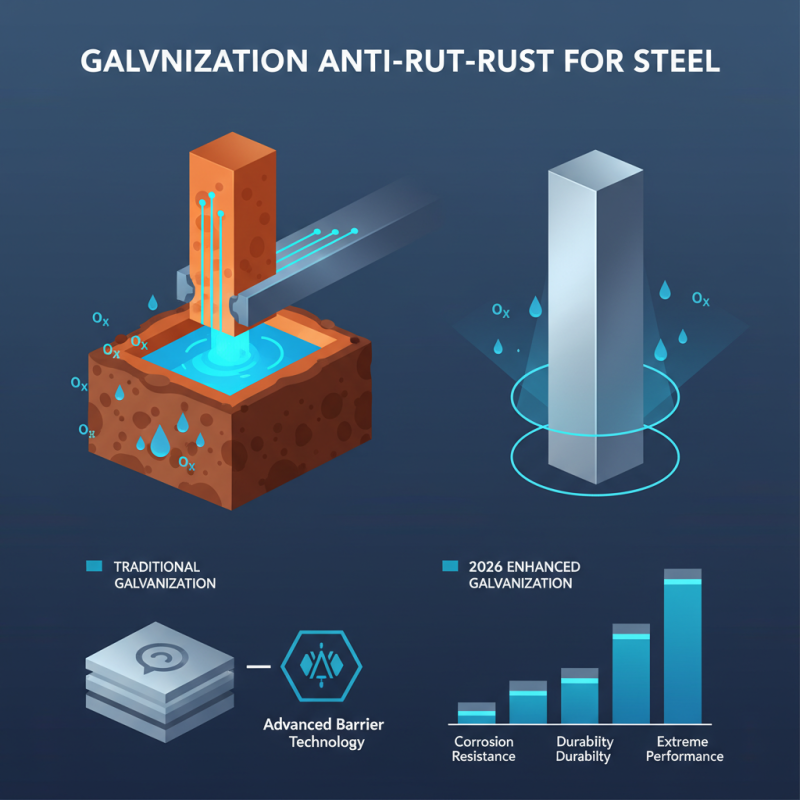
Rust is a common problem that affects steel. It can weaken structures and lead to costly repairs. Understanding how galvanization protects steel from rust is essential for industries that rely on this material. Galvanization is a process where steel is coated with a layer of zinc. This protects the underlying metal from moisture and oxygen, two main culprits of rust.

In 2026, innovations in this process have made galvanization even more effective. New techniques enhance the bond between zinc and steel. They create a barrier that is harder to penetrate. This evolution raises questions about the long-term reliability of galvanized steel. Will it perform as expected under extreme conditions? How does it hold up against various environmental factors?

While the benefits are clear, not all galvanized steel is created equal. Some coatings are thinner, leading to quicker corrosion. Future advancements aim to address these inconsistencies. Exploring how galvanization protects steel from rust offers insights into a crucial aspect of material science. It is vital for industries looking for durability and cost-efficiency.
How Does Galvanization Protect Steel from Rust in 2026?

Understanding Galvanization: Definitions and Processes in 2026

Galvanization is a vital process used to protect steel from rust. It involves coating the steel with a layer of zinc. This technique has been widely adopted due to its effectiveness and reliability. In 2026, the methods of galvanization continue to evolve. Most commonly, hot-dip galvanization is employed. Here, steel is immersed in molten zinc, creating a durable bond. This zinc layer acts as a barrier, preventing moisture from reaching the steel beneath.

The process doesn’t end with just applying zinc. Over time, the properties of the coating can change. For example, some zinc may corrode away, exposing the steel. However, zinc is sacrificial; it corrodes first, protecting the steel. This self-sacrificing quality of zinc plays a key role in long-term protection. Additionally, there are challenges. In environments with high pollution, even galvanized steel may face issues. There’s still a need for maintenance to ensure optimum performance. The balance between protection and exposure is something to ponder.

Mechanisms of Corrosion: How Rust Affects Steel Over Time

Rust is a common concern for steel structures. It starts as a chemical reaction when iron in steel reacts with moisture and oxygen. Over time, this leads to the formation of iron oxides, which weaken the metal's integrity. Various factors accelerate this process, including humidity and salt exposure. In coastal areas, salt in the air can significantly increase corrosion rates.

Galvanization provides an effective solution to this problem. The process involves coating steel with zinc, which acts as a sacrificial layer. If exposed to the environment, zinc corrodes instead of the steel. This protective barrier slows down rust development. However, this method is not infallible. Physical damage to the coating can expose steel, allowing rust to resume its destructive path.

Understanding the mechanisms of corrosion is crucial. Regular inspections can reveal early signs of rust formation. Maintenance practices should adapt based on environmental conditions. While galvanization offers solid protection, the effectiveness can diminish over time. It's essential to reflect on these realities to ensure that steel structures last longer.

Impact of Galvanization on Steel Corrosion Resistance Over Time

This chart illustrates the effectiveness of galvanization in preventing rust on steel over a period of 10 years, comparing galvanized steel to unprotected steel. As indicated, galvanized steel shows significantly lower rust formation compared to its unprotected counterpart.

Galvanization Techniques: Hot-Dip vs. Electrogalvanization in 2026

Galvanization is a key process for protecting steel from rust. In 2026, two main techniques stand out: hot-dip galvanization and electrogalvanization. Each method offers distinct advantages and applications, catering to various industries.

Hot-dip galvanization involves immersing steel in molten zinc. This creates a thick, durable coating. It’s effective for large structures like bridges and roofs. However, the process can be less precise. Sometimes, uneven coating may occur, leading to weak spots. These flaws must be addressed to ensure long-lasting protection against corrosion.

Electrogalvanization, on the other hand, applies zinc through an electric current. This method results in a thinner, more uniform layer. It’s suitable for smaller items, like fasteners and auto parts. Despite its precision, electrogalvanization might not offer the same level of durability as hot-dip. Some products may require additional treatments to enhance their anti-corrosion properties. This aspect invites manufacturers to evaluate the best approach based on specific needs.

Comparative Analysis: Durability of Galvanized Steel vs. Non-Galvanized Steel

Galvanization is a process that coats steel with zinc. This coating provides a protective barrier against rust. In a comparative study of galvanized steel and non-galvanized steel, the differences are striking. Galvanized steel shows remarkable resistance to corrosion, outperforming its non-galvanized counterpart by a significant margin.

Real-world applications highlight the advantages of galvanized steel. In construction, for example, structures made from galvanized steel can last decades longer. They withstand harsh weather and moisture. Non-galvanized steel, on the other hand, succumbs to rust relatively quickly, often within a few years. The difference in longevity is particularly noticeable in coastal areas, where saltwater accelerates corrosion.

However, not all galvanized steel is created equal. The thickness of the zinc coating can vary. Thinner coatings may not offer the same level of protection. Furthermore, improper application processes can lead to flaws. These issues highlight the importance of quality control in galvanization. Understanding the nuances of galvanization can guide buyers toward better choices.

Impact of Galvanization on Steel Lifespan and Cost Efficiency in 2026

Galvanization is a process that significantly enhances the longevity of steel. In 2026, this method remains popular due to its cost efficiency. By coating steel with zinc, the material gains a protective layer that prevents rust. This not only prolongs the lifespan of steel structures but also reduces maintenance costs in the long run.

Using galvanized steel is often cheaper than using stainless steel. However, there are tricky points. The initial investment may seem high, especially if large amounts of steel are needed. Yet, galvanization can reduce replacement costs dramatically over time. This means companies may spend less on repairs and replacements, adding to overall savings.

Tips: When choosing galvanized steel, consider the environment. Some areas have harsher climates that can affect longevity. Regular inspections and maintenance can extend the life of galvanized steel. A proactive approach can prevent unexpected failures.

Investing in galvanization is not without its consideration. Thickness of the zinc layer matters. A thicker layer might cost more upfront but offers increased protection. Weighing these factors can lead to better financial decisions in the future.

FAQS

: What is the main purpose of galvanization?

: Galvanization protects steel from rust by applying a layer of zinc.

How is galvanization typically performed?

The most common method is hot-dip galvanization, where steel is immersed in molten zinc.

What happens to the zinc coating over time?

The zinc may corrode, but it protects the steel beneath it by corroding first.

How does galvanized steel compare to non-galvanized steel?

Galvanized steel is more resistant to corrosion and lasts significantly longer than non-galvanized steel.

In what environments does galvanized steel face challenges?

Galvanized steel may struggle in high pollution areas, requiring ongoing maintenance for effectiveness.

Does the thickness of the zinc coating affect protection?

Yes, thinner coatings may not provide the same level of corrosion resistance.

Why is quality control important in galvanization?

Flaws in the application process can lead to inadequate protection for the steel.

What are some real-world applications of galvanized steel?

Galvanized steel is often used in construction, lasting decades in harsh conditions.

Can galvanized steel corrode if not maintained?

Yes, without proper maintenance, galvanized steel may face issues over time.

Is all galvanized steel the same?

No, variations in coating thickness and application quality can affect protection levels.

Conclusion

Galvanization is a crucial process that enhances the longevity of steel by providing a protective barrier against corrosion. In 2026, the techniques of hot-dip and electrogalvanization demonstrate distinct methods of applying zinc coatings to steel, effectively preventing rust formation. Understanding how galvanization protects steel from rust involves examining the mechanisms of corrosion and the interaction between zinc and environmental factors, which can lead to the deterioration of untreated steel over time.

Furthermore, a comparative analysis highlights the durability of galvanized steel versus non-galvanized counterparts, showing that galvanized steel significantly outperforms in resisting corrosion. The impact of galvanization not only extends the lifespan of steel structures but also offers cost efficiency through reduced maintenance and replacement needs. This comprehensive overview underscores the importance of galvanization as a protective measure against rust in steel applications.

Sienna

Sienna

Sienna is a skilled marketing professional with a deep expertise in our company’s core products and services. With a passion for innovation and detail, she plays a pivotal role in crafting insightful blog posts that not only highlight the unique features of our offerings but also provide valuable......