Steel is a fundamental material in construction and manufacturing. However, its susceptibility to rust poses significant challenges. Corrosion can cause structural failures and increase maintenance costs. Therefore, understanding how galvanization protects steel from rust is essential for industries relying on this material.
Galvanization involves coating steel with a layer of zinc. This layer acts as a sacrificial barrier, preventing moisture and oxygen from reaching the steel. Additionally, the zinc layer is anodic to steel, meaning it corrodes first when exposed to corrosive elements. This unique property extends the lifespan of steel, making it crucial for various applications.
While galvanization is effective, it is not immune to limitations. For instance, if the zinc layer is damaged, the steel beneath can still rust. Also, some environments may accelerate zinc corrosion. This shows the necessity of regular inspections and maintenance. Understanding these factors helps improve the effectiveness of galvanization in protecting steel from rust over time.
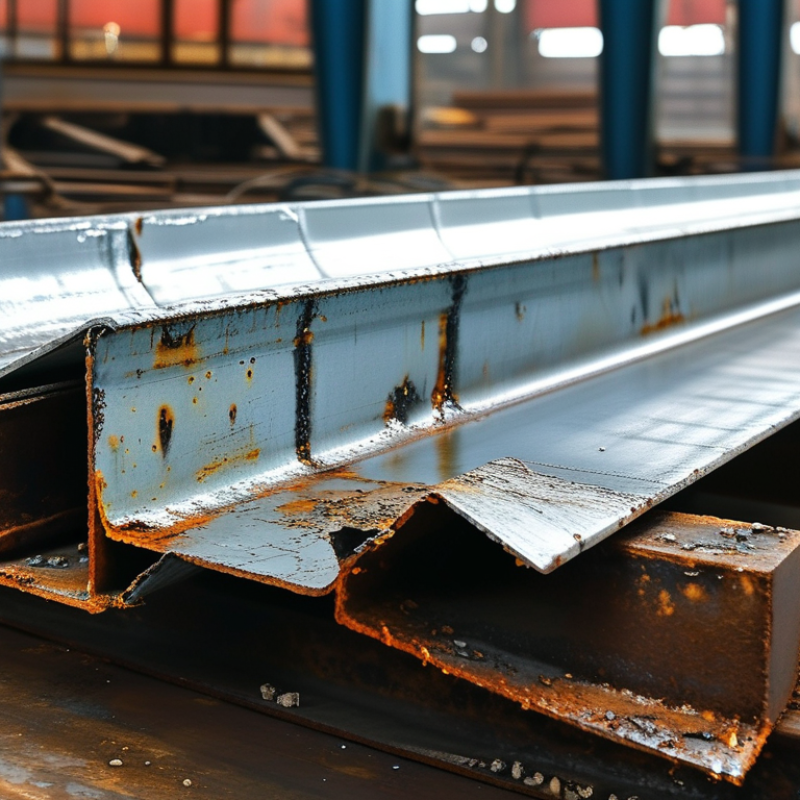
Galvanization is a widely recognized method for protecting steel surfaces from rust and corrosion. This process involves applying a protective zinc coating to steel, creating a barrier against moisture and environmental agents. According to a report by the American Galvanizers Association, galvanized steel lasts four to five times longer than uncoated steel in harsh environments. This significant increase in durability makes galvanization essential for steel structures in construction, automotive, and marine industries.
One reason for galvanization's effectiveness lies in its cathodic protection properties. Zinc is more anodic than steel, meaning it will corrode before the steel does. The National Association of Corrosion Engineers emphasizes that this sacrificial protection ensures that even damaged areas on the zinc coating do not immediately expose the underlying steel to corrosion. Though galvanization is effective, its reliability can diminish with inadequate maintenance. For instance, if rust does develop beneath the coating due to mechanical damage or contamination, it can compromise the steel structure.
While galvanization offers robust protection, it is not foolproof. Some industry professionals note that in certain conditions, such as constant exposure to saltwater, galvanized coatings can still fail. Regular inspection and maintenance of galvanized structures are crucial. By understanding these nuances, we can better appreciate the role of galvanization in steel protection.
Galvanization plays a critical role in safeguarding steel from rust. This protective method involves coating steel with zinc. The zinc acts as a barrier, preventing moisture and oxygen from reaching the underlying steel. When exposed to corrosive elements, zinc corrodes instead of steel. This phenomenon offers a form of cathodic protection, significantly extending the lifespan of the metal.
The chemistry behind this process is fascinating. Zinc has a higher electrical potential than iron, making it more reactive. When steel is galvanized, any damage to the zinc layer still protects the steel underneath. Zinc ionizes and forms a passive layer of zinc oxide, which adds further protection. Yet, this mechanism has limitations. Extreme environmental conditions can wear down the zinc over time.
Understanding these chemical interactions is crucial. While galvanization is effective, it is not infallible. Regular inspection and maintenance are necessary to ensure ongoing protection. If corrosion is detected early, remediation can be more manageable. Observing how galvanization works reveals deeper insights into materials science and corrosion management.
Galvanization is a vital process that protects steel from rust. By coating steel with a layer of zinc, galvanization creates a robust barrier against corrosion. This barrier acts as a shield, preventing moisture and air from reaching the steel surface. When steel is exposed, it can oxidize and corrode, leading to structural damage. Zinc acts sacrificially, meaning it will corrode before the steel does. This property is essential in environments where steel is exposed to water and air.
The effectiveness of galvanization lies in its ability to create a strong bond with the steel. The zinc layer doesn't just sit on the surface; it forms a metallurgical bond. This bond increases durability and resistance to wear. However, not all galvanized coatings are the same. Variances in thickness and application can affect how well the barrier performs. Careful handling is necessary to avoid damaging the zinc layer. Even small scratches can expose the underlying steel.
Despite its benefits, galvanization has limitations. It may not be suitable for all applications, especially in highly aggressive environments. Regular inspections are crucial to ensure the integrity of the galvanized layer. Maintenance helps identify areas where corrosion might occur. Understanding these aspects is essential for engineers and builders to maximize the effectiveness of galvanization in protecting steel against rust.
Galvanized steel offers superior corrosion resistance compared to non-galvanized steel. The galvanization process involves coating steel with zinc. This protective layer acts as a barrier against moisture and oxygen, two primary culprits of rust. When exposed to the elements, galvanized steel demonstrates remarkable durability.
Non-galvanized steel, however, is more vulnerable. Without protective coating, rust can compromise structural integrity. Once rust begins, it spreads rapidly, weakening the metal. Regular maintenance can mitigate this issue, but it often proves costly and labor-intensive. Over time, the initial savings of non-galvanized options may be outweighed by the need for repairs.
While both types of steel serve specific functions, their long-term performance differs greatly. Galvanized steel, despite its higher upfront cost, typically requires less frequent maintenance. It's essential to consider usage and environment when making a choice. A thorough understanding of the benefits and drawbacks helps in selecting the right material for your project.
| Property | Galvanized Steel | Non-Galvanized Steel |
|---|---|---|
| Corrosion Resistance | High (up to 50 years) | Low (1-5 years) |
| Coating Thickness | Typically 50-100 µm | N/A |
| Maintenance Frequency | Low | High |
| Cost | Higher Initial Cost | Lower Initial Cost |
| Environmental Resistance | Excellent | Poor |
Galvanization is an effective method to protect steel from rust. However, its success greatly depends on environmental conditions. These conditions can include humidity levels, temperature variations, and exposure to salt. In coastal areas, for instance, the presence of salt can accelerate corrosion. This makes it essential to consider the surroundings where galvanized steel is used.
Not all galvanization processes are the same. Some methods create thicker coatings, providing better protection against harsh environments. Yet, thinning occurs over time, especially in humid and salty environments. Regular inspections are crucial. They can identify early signs of wear and tear, allowing for timely maintenance or re-galvanization. Understanding the location's unique environmental factors can lead to better longevity of steel structures.
Ultimately, not every galvanized surface will withstand all environments perfectly. Variations in application techniques can also lead to inconsistencies. Some areas might show excellent rust resistance, while others may corrode more quickly. Evaluating these environmental impacts allows users to select the right galvanization method tailored for their specific situation.
: Galvanization is the process of applying a zinc coating to steel to protect it from rust and corrosion.
The zinc coating creates a barrier that prevents moisture and air from reaching the steel surface.
Zinc is more anodic than steel, meaning it will corrode before the steel does, providing sacrificial protection.
Yes, in harsh conditions like constant saltwater exposure, galvanized coatings can fail if not properly maintained.
Humidity, temperature, and saltiness can all influence how well galvanized steel resists rust.
If the zinc layer is scratched or damaged, the underlying steel can be exposed and may corrode.
No, the effectiveness varies based on coating thickness and application techniques.
Regular inspections are necessary to check for wear and tear and to identify potential corrosion.
Yes, different areas may show varying levels of rust resistance due to their specific environmental conditions.
Yes, proper maintenance helps prolong the life of galvanized structures and ensures their effectiveness.
Galvanization is a crucial process in protecting steel from rust, leveraging the application of a zinc coating that acts as a sacrificial barrier. This protective layer not only prevents moisture and oxygen from reaching the underlying steel but also facilitates electrochemical reactions that enhance corrosion resistance. Understanding how galvanization protects steel from rust involves exploring the chemistry behind the process and how it creates a robust barrier against environmental elements.
Furthermore, a comparative analysis of galvanized versus non-galvanized steel highlights the significant advantages of galvanization in extending the lifespan and durability of steel structures. Environmental factors, such as humidity and exposure to salts, also influence the efficacy of galvanization, making it essential to consider conditions when utilizing galvanized steel for various applications. Overall, the protective qualities of galvanization make it an indispensable method for combating rust and ensuring the longevity of steel.

Terra Steel