Steel strength is a critical consideration for global buyers in various industries. Understanding what factors affect steel strength is vital for making informed purchasing decisions. The strength of steel is influenced by numerous factors, including its chemical composition, manufacturing processes, and heat treatment.
The alloying elements in steel play a significant role in determining its strength. Elements such as carbon, manganese, and chromium contribute to improved hardness and tensile strength. Additionally, the production methods, like forging and rolling, also impact the final properties of the steel. Each method introduces unique stresses and structural changes.
However, not all steel will perform as expected. Variability in production practices can lead to inconsistencies. Buyers must evaluate suppliers based on their expertise and technology. This knowledge ensures they receive high-quality steel that meets their requirements. Understanding what factors affect steel strength helps buyers avoid pitfalls in their selection. By prioritizing reliable sources, they can enhance their own project outcomes.
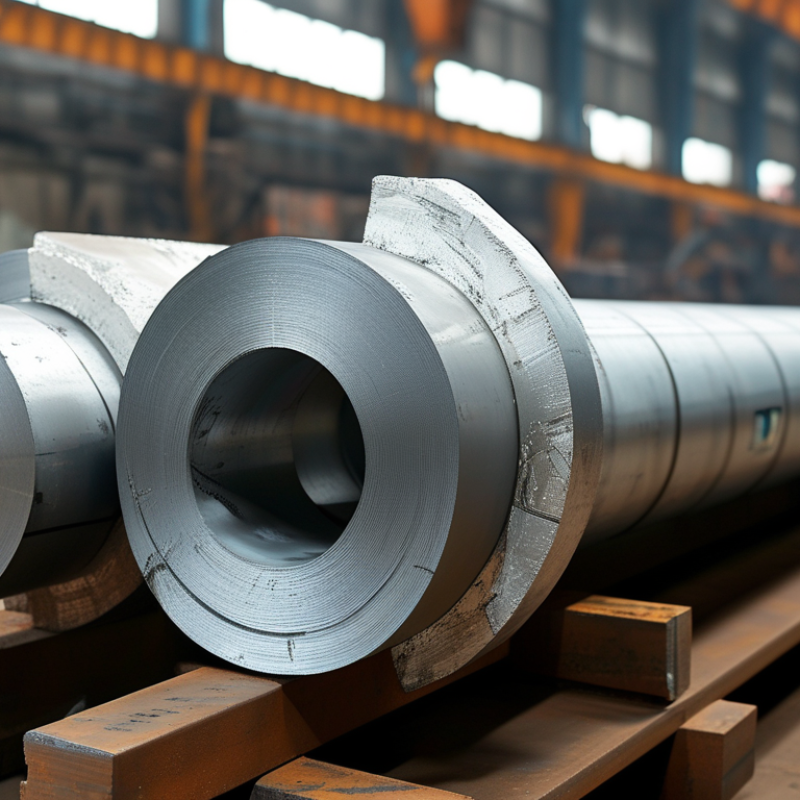
Factors Influencing Steel Composition and Its Impact on Strength
Steel strength is fundamentally influenced by its composition. Various elements, such as carbon, manganese, and chromium, play critical roles. Higher carbon content typically increases hardness and strength. However, too much carbon can lead to brittleness, which is a disadvantage in structural applications. Finding the right balance is essential.
Alloying elements can further enhance properties. For instance, manganese improves toughness while chromium increases corrosion resistance. Each addition affects the steel’s microstructure. Understanding how these elements interact is crucial for global buyers. It ensures that the steel used meets specific performance prerequisites.
Another factor is the manufacturing process. Techniques like heat treatment can alter the steel’s strength. Cooling rates, temperature ranges, and time significantly impact final properties. An inconsistency in these processes may lead buyers to reconsider their choices. Assessing these factors is vital. Making informed decisions requires expertise in metallurgy and a thorough understanding of how each variable can be controlled and optimized.
The Role of Manufacturing Processes in Determining Steel Strength
The manufacturing process of steel significantly influences its strength. Various methods, such as hot rolling and cold drawing, alter the internal structure of the material. Hot rolling, for example, involves shaping steel at high temperatures. This process allows for better manipulation, creating a finer grain structure. However, the temperature must be carefully monitored. Excessive heat can weaken the steel.
Cold drawing, on the other hand, enhances tensile strength. It involves pulling steel through a die to reduce its diameter. This method increases yield strength through work hardening. Each method has its trade-offs. While hot rolling is efficient, cold drawing offers superior strength profiles.
Quality control during production is vital. Even minor discrepancies can lead to significant issues later. Variations in temperature or timing can affect the final product. Steel strength is not solely about the raw materials; it's about how they are processed. Understanding these factors can help buyers make informed decisions about their steel selections.
Factors Affecting Steel Strength
This chart illustrates various factors that significantly impact the strength of steel, showcasing the percentage influence of manufacturing processes, heat treatment, alloy composition, cooling rates, and impurity levels.
Effects of Alloying Elements on the Mechanical Properties of Steel
Alloying elements significantly influence the mechanical properties of steel. Elements such as manganese, nickel, and chromium play vital roles in enhancing strength. For instance, manganese increases hardenability and tensile strength. According to a report by the World Steel Association, the addition of just 1.0% of manganese can result in a 20% increase in tensile strength. Similarly, chromium helps improve corrosion resistance and toughness, making it essential for specific applications.
When considering alloy compositions, global buyers must assess the optimal balance of these elements. An excessive amount can lead to brittleness, while insufficient levels may not meet the required strength. For example, while too much nickel can enhance toughness, it might also reduce the malleability of steel. Buyers should take time to analyze detailed material specifications and how they align with project needs.
Tip: Always consult material safety data sheets (MSDS) when evaluating steel grades. This ensures a reliable understanding of the mechanical properties and potential limitations.
Ultimately, the interaction between alloying elements influences performance in various environments. Steel performance is not merely a matter of quantity but also quality and composition. Continuous research in metallurgical science helps identify better combinations. Engaging with technical experts in the field can lead to informed decisions.
What Factors Affect Steel Strength for Global Buyers? - Effects of Alloying Elements on the Mechanical Properties of Steel
| Alloying Element |
Effect on Yield Strength (MPa) |
Effect on Ultimate Tensile Strength (MPa) |
Effect on Ductility (%) |
Typical Applications |
| Carbon |
200-600 |
400-1000 |
5-20 |
Construction, automotive components |
| Manganese |
100-200 |
200-400 |
10-30 |
Railway tracks, bridges |
| Chromium |
50-150 |
100-300 |
5-15 |
Stainless steel, tool making |
| Nickel |
70-200 |
150-350 |
10-25 |
Corrosion-resistant applications |
| Vanadium |
100-250 |
300-700 |
15-30 |
High-strength steel |
Impact of Environmental Conditions on Steel Strength and Durability
Environmental conditions play a crucial role in determining the strength and durability of steel. Factors like temperature, humidity, and exposure to corrosive elements can significantly impact steel performance. For instance, high humidity promotes rust formation, weakening the steel over time. Similarly, extreme temperatures can alter its microstructure, influencing its overall strength.
Industrial sites often expose steel to harsh environments. This exposure can lead to the degradation of protective coatings, leaving the underlying metal vulnerable. Regular inspections and maintenance are essential to identify any signs of deterioration early. Understanding these conditions can aid global buyers in making informed decisions about their steel products.
In regions prone to severe weather, selecting appropriate steel grades becomes vital. Different alloys exhibit varying resistance to environmental stressors. Buyers must consider local climate conditions and anticipated challenges. This nuanced understanding of environmental influence can enhance the longevity and reliability of steel structures. However, continuous research and adaptation to evolving conditions remain necessary for optimal performance.
Standards and Testing Methods for Assessing Steel Strength Globally
When assessing steel strength globally, understanding the standards and testing methods is crucial. Different countries adopt various standards, often based on historical practices and industrial needs. For instance, the ASTM standards widely used in the U.S. differ from the European EN standards. These disparities may lead to confusion among international buyers. Steel must be tested using consistent methodologies to ensure reliable results.
Testing methods include tensile tests, impact tests, and hardness tests. Each method offers insight into the steel's performance under different conditions. For example, tensile tests measure how much load the steel can bear before breaking. Impact tests assess the material's ability to withstand sudden force. These methods have limitations. Results may vary based on factors like specimen preparation and environmental conditions.
Adhering to established standards is vital, but it's essential to remember they are not foolproof. Global buyers should carefully evaluate certification bodies and testing facilities' reputability. Seeking expert advice can clarify ambiguities in test results. A strong understanding of these factors enhances the decision-making process, ensuring better steel quality for end users.
Conclusion
The article "What Factors Affect Steel Strength for Global Buyers?" explores the various elements that influence steel strength and its implications for buyers in the global market. Key factors include the steel composition, where the balance of carbon and other alloying elements can significantly enhance mechanical properties such as tensile strength and ductility. The role of manufacturing processes, including forging, rolling, and heat treatment, is also critical, as these methods can alter the microstructure of steel, affecting its overall strength.
Furthermore, environmental conditions, such as temperature and humidity, play a crucial role in the durability and long-term performance of steel products. The article emphasizes the importance of adhering to global standards and testing methods that assess steel strength, providing a reliable framework for buyers to evaluate the quality of steel before making purchasing decisions. Understanding what factors affect steel strength allows buyers to make informed choices that enhance performance and longevity in their applications.

 Terra Steel