Cutting steel safely on construction sites is a critical skill requiring both knowledge and practice. Understanding how to cut steel safely on construction sites minimizes risks and promotes a secure work environment. Steel is strong, but improper handling can lead to accidents.
To achieve safe steel cutting, it is essential to use the right tools and techniques. Workers should be trained in using cutting tools like saws and torches effectively. Protective gear, such as goggles and gloves, is necessary to safeguard against sparks and sharp edges.
However, despite precautions, mistakes can still happen. Common errors include poor focus or incorrect tool usage. Regular safety briefings can help address these issues. A culture of safety needs to be fostered on-site to reflect on risks and prevent future accidents. Effective communication among team members is also vital. When workers share their experiences, it creates an environment for learning and improvement.
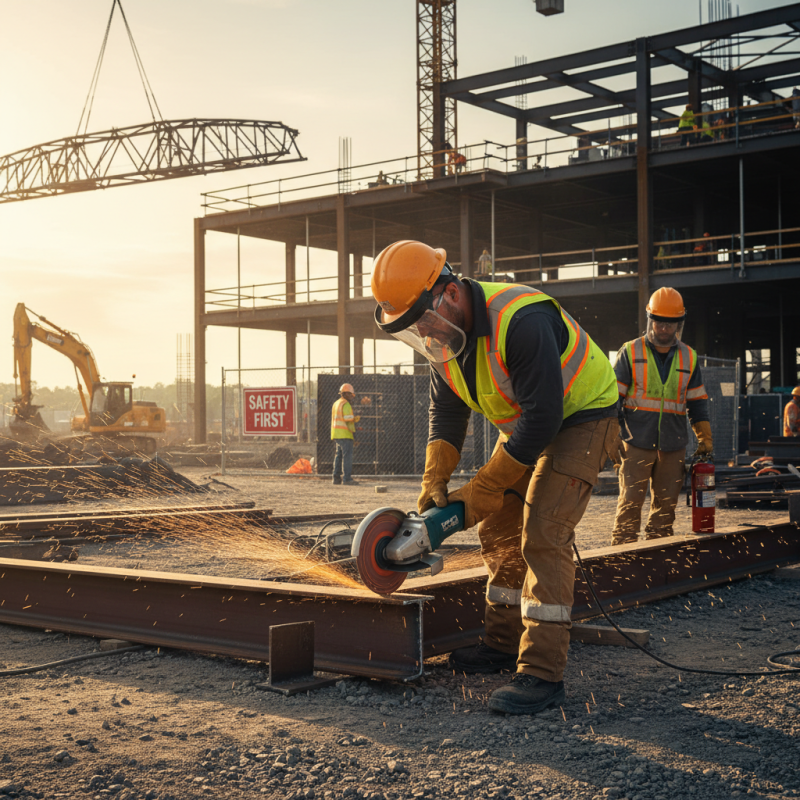
Cutting steel is an essential task on construction sites. However, it poses several safety risks. According to the
Occupational Safety and Health Administration (OSHA), over
40,000 injuries occur each year in construction—many
from improper cutting methods. Understanding safety measures is crucial to mitigate these risks and protect workers.
Proper personal protective equipment (PPE) reduces injury risks. Always wear
safety goggles or a face shield. Hearing protection is essential when using cutting tools. Steel cuts can produce sparks
that may cause burns. Gloves should be durable yet flexible to maintain grip.
When cutting steel, choose the right tools. Each tool is designed for specific materials. Using the wrong saw or blade
can lead to accidents. Ensure that the cutting area is clear of obstacles. A cluttered space increases the chance of falls
and injuries.
Implementing safety measures can lead to safer work environments. Employee training
programs on cutting techniques and safety practices enhance awareness. Regularly inspect tools for wear and tear. Workers
should be encouraged to report unsafe conditions. Reflecting on past incidents can guide better safety practices going forward.
Safety is an ongoing commitment on every construction site.
When cutting steel on construction sites, having the right tools and equipment is essential. Industry data shows that nearly 70% of accidents occur due to improper equipment use. Thus, investing in quality tools not only boosts efficiency but also enhances safety protocols.
A reliable angle grinder is crucial for cutting steel. When used with the correct cutting disc, it can make precise cuts while minimizing sparks and debris. Additionally, personal protective equipment (PPE) such as gloves, goggles, and face shields must be worn at all times. According to recent safety reports, approximately 30% of injuries involve eye damage. Proper PPE can significantly reduce these statistics.
Another vital tool is a band saw, especially for thicker steel. Band saws provide accuracy and are safer when used correctly. However, operators must be trained and vigilant. Even experienced workers can overlook safety measures, leading to lapses. Regular maintenance of all equipment is also necessary. Neglected tools can malfunction and lead to severe injuries. Adjustments to safety protocols should be assessed frequently to ensure that practices keep up with contemporary safety standards.
Cutting steel on construction sites requires careful planning and execution. Industry reports indicate that improper cutting can lead to significant injuries, accounting for 20% of construction-related accidents. Understanding safe techniques is vital for protecting workers.
When cutting steel, always wear appropriate PPE, including gloves and safety glasses. Use a quality cutting torch or saw designed for metal. A steady hand and clear focus help maintain precision. Ensure the area is clean and free of hazards. Did you know that 75% of steel-cutting incidents occur due to distractions? Staying attentive is crucial.
Proper training is essential. Workers should receive hands-on training to familiarize themselves with equipment and safety protocols. Engaging in refresher courses can reinforce knowledge. The construction industry sees a rise in efficiency by 23% in teams equipped with updated safety practices. Regular safety audits can identify risks and improve overall site safety.
When cutting steel on construction sites, safety gear is crucial. Workers should wear safety glasses to protect their eyes from flying sparks. Steel-toed boots are essential; they provide protection from heavy materials. Gloves designed for cutting are also vital to prevent cuts and injuries.
Hearing protection can’t be overlooked. Steel cutting generates loud noises that may damage hearing over time. Respirators can help protect against metal dust, especially in enclosed spaces. Clothing should be durable, with no loose ends that could catch on equipment.
Reflective vests increase visibility. Sites are often busy, and a visible worker is a safer worker. Regularly check gear for wear and tear. If any item shows damage, replace it. Maintaining safety equipment ensures it functions properly. Remember, safety is not an option; it’s a necessity.
Cutting steel on construction sites presents various hazards. These include flying sparks, intense heat, and sharp edges. According to the Occupational Safety and Health Administration (OSHA), improper steel cutting practices heighten the risk of accidents. It’s essential for workers to wear appropriate personal protective equipment (PPE). This includes safety glasses, gloves, and steel-toed boots. Not adhering to safety guidelines can lead to injuries that result in lost workdays.
Common challenges faced during steel cutting include unintentional contact with electrical lines and inadequate ventilation. A report from the National Institute for Occupational Safety and Health (NIOSH) highlights that nearly 25% of injuries in construction arise from these hazards. Workers must stay aware of their surroundings. Ensuring that the cutting area is clear of flammable materials is vital.
Training sessions for proper techniques can significantly reduce risk. However, some workers may neglect to follow safety protocols during pressure situations. Routine inspections of equipment are often overlooked, compromising overall safety. Focusing on constant vigilance and enforcing best practices is crucial for mitigating risks in steel cutting activities.
: The main issue is the risk of injuries due to improper cutting methods.
Workers should wear safety goggles, durable gloves, and steel-toed boots.
A cluttered space increases the chance of falls and injuries during cutting.
Training programs improve awareness of proper techniques and safety practices.
Regular inspections help identify wear and tear, maintaining safety during use.
Hazards include flying sparks, sharp edges, and noise that can damage hearing.
They should report unsafe conditions to ensure a safer work environment.
PPE reduces the risk of serious injuries, like cuts and burns, during cutting tasks.
Some may realize they overlook safety rules when feeling pressured, which is risky.
Constantly enforcing best practices and adapting to past incidents makes safety a priority.
When it comes to how to cut steel safely on construction sites, understanding the importance of safety is paramount. Ensuring that proper safety measures are in place can prevent accidents and injuries. Essential tools and equipment, such as cutting torches, saws, and grinders, play a crucial role in executing steel cutting tasks effectively.
A step-by-step approach to cutting steel involves meticulous planning and execution, focusing on maintaining a clear work area and following standard procedures. Safety gear and personal protective equipment (PPE), including gloves, goggles, and face shields, are indispensable to protect workers from potential hazards. Recognizing common hazards associated with steel cutting, such as flying debris or exposure to extreme temperatures, allows workers to take necessary precautions and foster a safer working environment on construction sites.

Terra Steel