The construction industry continues to evolve, leading to innovations in materials used. Understanding what types of steel are used in construction is essential for engineers and builders. Steel is a crucial component, influencing durability and structural integrity. According to the World Steel Association, about 1.7 billion tons of steel were utilized globally in construction in 2022 alone, signaling its importance.
Different grades of steel, such as carbon steel, stainless steel, and alloy steels, serve various purposes in construction. Carbon steel is often preferred due to its strength and versatility. However, choosing the right type can be a complex process. Industry reports suggest that as construction practices sharpen, the demand for advanced high-strength steels is on the rise. Yet, many still don't fully understand the implications of selecting inappropriate steel types.
With the industry's forecast showing a continual uptick in steel usage, it's critical to focus on the long-term performance of materials. Some builders may overlook essential factors like corrosion resistance or weight. This oversight can lead to costly mistakes in the future. Exploring what types of steel are used in construction reveals both opportunities and challenges in material selection. Understanding these nuances is vital for achieving project success and sustainability.
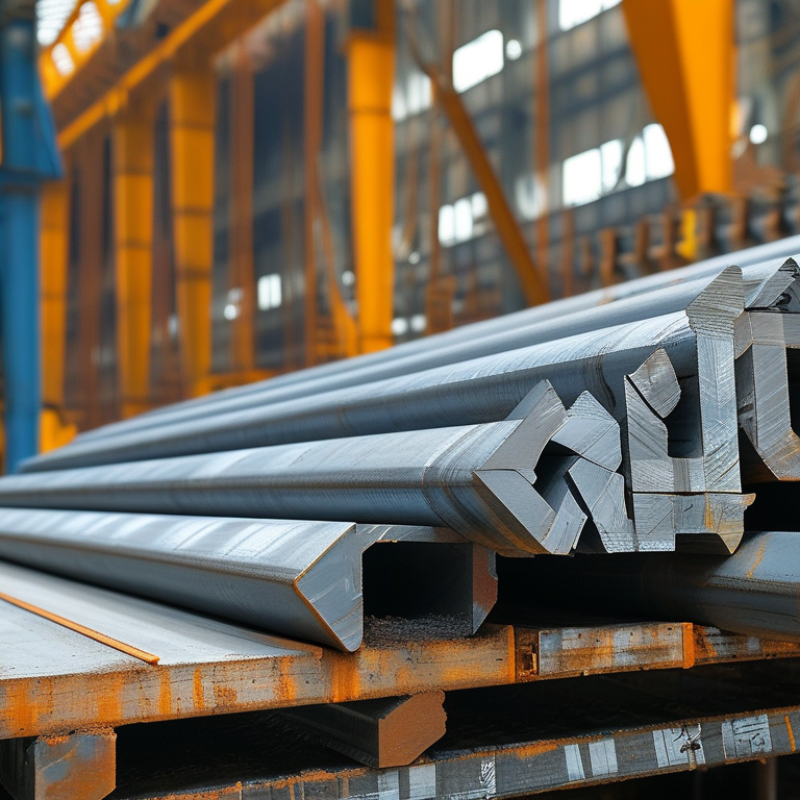
Types of Structural Steel Used in Modern Construction Projects
In modern construction projects, various types of structural steel are widely utilized. Among these, steel grades like S235, S275, and S355 are prevalent. These grades offer different yield strengths and are selected based on specific project requirements. For instance, S355 steel boasts a yield strength of 355 MPa, making it ideal for high-stress applications. According to a 2023 report by the World Steel Association, the demand for such high-strength steels is increasing due to their durability and efficiency.
When considering types of structural steel, it’s essential to factor in the environment and environment-related challenges. For coastal areas, weathering steel is beneficial due to its corrosion-resistant properties. The structural performance of these steels plays a critical role in safety and longevity. However, the use of lower-grade steel may lead to long-term issues, prompting project managers to reassess material choices.
Tip: Always conduct thorough research before finalizing steel types for your project. Evaluate the long-term costs associated with maintenance and repairs. Opting for the right grades could save significant resources.
In summary, recognizing the properties and benefits of various steel types leads to informed decisions. Understanding structural requirements and environmental factors ensures the chosen materials are not only reliable but also efficient over time.
Comparative Analysis of Carbon Steel and Alloy Steel in Building Structures
Carbon steel and alloy steel are two primary choices in modern construction.
Carbon steel is commonly favored for its high strength and versatility.
It typically contains varying amounts of carbon, which enhance its mechanical properties.
This type of steel is often used for beams, columns, and reinforcements.
It is straightforward to work with but may lack resistance to corrosion.
Alloy steel, on the other hand, includes additional elements. These elements improve specific properties
such as strength, toughness, and resistance to wear. Alloy steels are suitable for complex structures requiring higher performance.
They are often found in specialized applications, including high-rise construction and bridges.
Tips: When selecting steel types for construction, consider project requirements.
Examine environmental factors that might affect durability. Always consult with structural engineers to make informed decisions.
Engineers can guide material selection contextually based on performance expectations.
Understanding the differences in these steel types can lead to better construction practices.
It is essential to weigh the pros and cons. Consider how carbon and alloy steel might respond to stress, load, and environment.
Every project demands a tailored approach, which may involve trial and error.
The importance of informed choices in material selection cannot be overstated.
The Role of Stainless Steel in Corrosion-Resistant Construction Applications
Stainless steel plays a crucial role in construction, especially in environments prone to corrosion. Its resistance to rust and staining makes it ideal for various applications. Bridges, buildings, and infrastructure benefit from its strength and durability. This type of steel can withstand harsh weather, moisture, and chemicals, ensuring long-lasting structures.
When selecting stainless steel for projects, consider the environment. Different grades offer varying levels of corrosion resistance. For coastal areas, a higher grade may be necessary, while urban settings might require less. It's essential to match the material to specific project needs.
Tips: Always conduct a thorough site assessment. Review historical data on local corrosion conditions. Understanding your environment reduces unexpected repair costs. A simple mistake in material choice can lead to degradation over time. Proper planning ensures the longevity of structures.
Emerging Trends in High-Strength Steel Utilization for Increased Load-bearing
High-strength steel is gaining traction in construction.
This material offers remarkable load-bearing capabilities. Engineers and architects are increasingly adopting it for various structures.
High-strength steel allows for lighter designs without sacrificing safety. This is essential for skyscrapers,
bridges, and large-span roofs.
As the industry evolves, so do the methods for utilizing high-strength steel. Emerging trends focus on advanced manufacturing techniques.
These innovations enhance the steel's properties and ensure durability. Techniques like welding and connection design are also evolving.
However, challenges remain. Not all structures can integrate high-strength steel seamlessly.
Understanding the specific requirements of a project is crucial.
Despite its advantages, high-strength steel is not universally superior. The higher cost can deter some projects.
In addition, additional training may be necessary for workers. Safety protocols must adapt to these materials.
Construction professionals must weigh these factors carefully.
The future of construction lies in balancing innovation and practicality.
Recycled Steel: Sustainability and Its Impact on Construction Practices
Recycled steel has emerged as a vital component in sustainable construction practices. According to industry reports, approximately 70% of steel used in construction is recycled material. This impressive figure illustrates the shift towards eco-friendly options. The use of recycled steel reduces the need for raw materials, lowering the environmental impact significantly.
Sustainability can improve overall project efficiency. Recycled steel requires less energy to produce than new steel. For instance, producing recycled steel consumes about 75% less energy. This energy efficiency translates directly into lower greenhouse gas emissions. Many construction companies are adopting these practices, revealing a growing awareness of environmental responsibility.
However, the transition isn’t completely without challenges. Quality control can be inconsistent with recycled materials. Ensuring structural integrity often requires rigorous testing. While recycled steel holds promise, further innovation is needed. Balancing sustainability with high construction standards remains a work in progress. The industry continues to evaluate how best to implement these materials effectively.
FAQS
: Stainless steel resists rust and staining, making it suitable for various construction projects.
Consider the environment and choose the appropriate grade of stainless steel for the project.
A thorough site assessment helps identify local corrosion conditions and prevents unexpected repair costs.
It provides exceptional load-bearing capabilities, allowing for lighter and safer structures.
Yes, not all structures can easily integrate high-strength steel, and this may present design challenges.
The higher cost and potential need for specialized training may discourage some projects from using it.
They must balance safety, cost, and practical requirements specific to each project.
Innovations in welding and connection design are enhancing the material's properties and durability.
No, some structures may not be suitable for its implementation, requiring careful consideration.
Safety protocols and training for workers need to adapt to ensure safe handling and implementation.
Conclusion
In the evolving landscape of construction, understanding what types of steel are used in construction is crucial for modern projects. Structural steel is the backbone of many builds, with carbon steel and alloy steel being prominent choices due to their strength and versatility. Each type offers unique benefits, with carbon steel being favored for its cost-effectiveness, while alloy steel provides enhanced properties for specific structural needs.
Stainless steel also plays a significant role, especially in applications requiring resistance to corrosion, thus prolonging the lifespan of structures. Additionally, the trend towards high-strength steel is rising, enabling structures to support greater loads without increasing material volume. Sustainability is another key focus, with recycled steel becoming integral in construction practices, reducing environmental impact and promoting resource efficiency. Together, these elements highlight the dynamic nature of steel usage in construction today.

 Terra Steel