Choosing the right steel for building structures is a crucial decision. It affects not just the integrity of the structure but also its longevity and cost-effectiveness. According to Dr. Emily Foster, a renowned expert in structural engineering, “Selecting the appropriate steel material is essential for ensuring safety and stability in construction.”
When faced with various steel options, it can be overwhelming. Factors such as load requirements, environmental conditions, and budget constraints play significant roles. Understanding how to choose steel for building structures requires a blend of technical knowledge and practical experience. Many engineers often reflect on their choices, pondering whether they considered all variables.
The complexities of steel selection demand careful assessment. Different steel grades offer distinct advantages, yet missteps can lead to complications. In the end, the decision is not just about numbers; it's about safety, functionality, and trust in the material chosen. Thus, deep knowledge and experience are essential for successful outcomes.
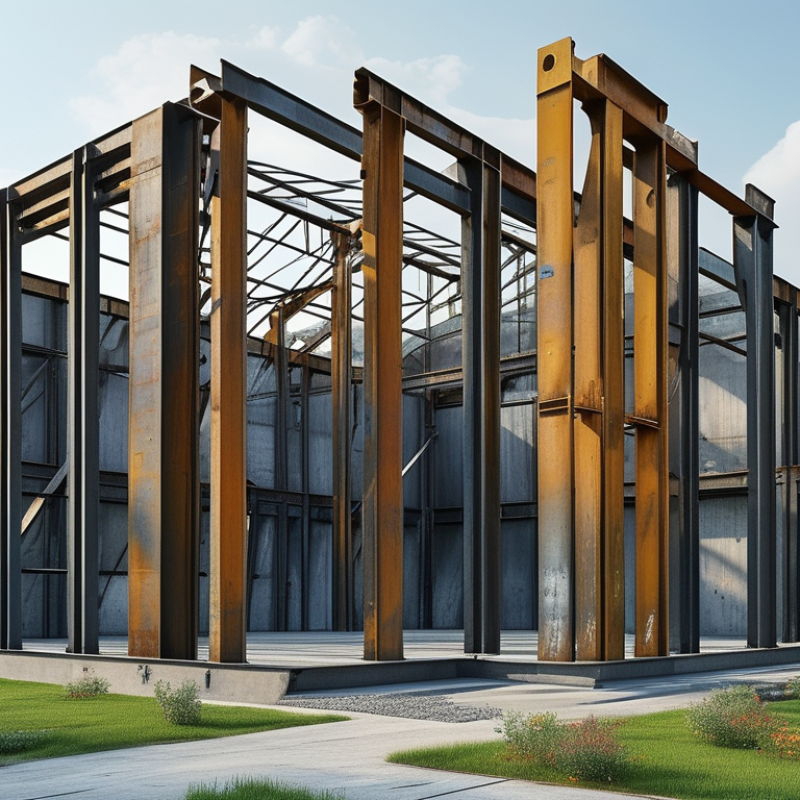
Understanding the Different Types of Steel Used in Construction
When it comes to construction, the choice of steel is critical. Different types offer unique properties. Carbon steel is popular due to its strength and affordability. It is often used in structural components like beams and columns. However, it can be prone to rusting, which requires protective coatings.
Stainless steel, on the other hand, boasts resistance to corrosion. This makes it ideal for environments exposed to moisture and chemicals. Many builders prefer it for aesthetic structures. Yet, its higher cost can deter use in large projects.
Another option is structural steel, designed specifically for construction. It provides excellent support, making it essential for high-rise buildings. Nonetheless, its weight can complicate transportation and installation. Each steel type has pros and cons. Understanding these allows for more informed choices in structural design.
Key Properties of Steel to Consider for Structural Applications
Choosing the right steel for structural applications is crucial. Key properties to evaluate include strength, ductility, and corrosion resistance. The American Institute of Steel Construction provides guidelines on these properties. For example, yield strength is a critical factor, which typically ranges from 36 ksi to 65 ksi for structural steel. High-strength steel often enables lighter structures, but can be more brittle under certain conditions.
Ductility is another essential property. A ductile steel can deform significantly before failure, enhancing safety. Studies indicate that a ductility value of at least 15% is preferable for most constructions. Corrosion resistance is vital in extending the lifespan of structures. According to the National Association of Corrosion Engineers, corrosion costs in the U.S. alone exceed $300 billion annually. Using galvanized or weathering steel can mitigate this risk.
Cost and availability are often trade-offs. While high-quality steel offers better performance, it typically comes at a higher price. This could constrain budgets. Ultimately, each choice should align with project requirements and environmental considerations. Always re-evaluate material selections as technologies and techniques evolve.
How to Choose the Right Steel for Building Structures? - Key Properties of Steel to Consider for Structural Applications
| Property |
Description |
Importance for Structures |
Common Types of Steel |
| Yield Strength |
The stress at which steel begins to deform plastically. |
Critical for determining load-bearing capacity and safety. |
Structural Steel (S235, S275) |
| Tensile Strength |
The resistance of steel to being pulled apart. |
Essential for elements subjected to tension (e.g., cables). |
High Strength Low-Alloy Steel (HSLA) |
| Ductility |
The ability of steel to deform under tensile stress. |
Important for absorbing energy during impacts or loads. |
Mild Steel |
| Corrosion Resistance |
The ability of steel to withstand environmental factors without degrading. |
Crucial for longevity of structures exposed to moisture. |
Stainless Steel (Grade 304, 316) |
| Weldability |
The ability of steel to be welded without defects. |
Critical for construction methods involving joining of sections. |
Low Carbon Steel |
Assessing Environmental and Structural Requirements for Steel Selection
Choosing the right steel for building structures requires a careful assessment of environmental and structural needs. Different environments present unique challenges. For instance, coastal areas face corrosion from saltwater. It demands corrosion-resistant materials. Similarly, regions prone to earthquakes require steel that can absorb shock loads and flex under stress.
Structural requirements also influence steel selection. The strength-to-weight ratio is critical for high-rise buildings. Designers often consider load-bearing capacities and the expected lifespan. Understanding how steel reacts under varying temperatures is essential. Certain steels may become brittle in cold weather or lose strength in high heat.
Reflecting on local regulations and standards is vital. Some specifications might not align with project goals. Additionally, cost-effectiveness should not compromise quality. Balancing these considerations ensures long-term reliability and safety in structural designs. Engaging with experienced engineers can help navigate these complexities.
Analyzing Cost Factors and Availability of Steel Materials
When analyzing cost factors for steel materials, several elements come into play. The price of steel fluctuates based on market demand and availability. Various grades of steel also affect cost. Higher-grade materials tend to be more expensive yet provide better strength and durability. It’s vital to consider where the steel is sourced from. Imported materials can incur additional shipping costs and tariffs. Local suppliers might offer competitive pricing, but stock availability can vary.
Availability of steel resources can significantly impact construction timelines. In times of high demand, lead times may stretch out, leading to project delays. Builders should maintain close communication with suppliers. This can ensure they’re aware of potential shortages or delays. Additionally, understanding the current economic climate is essential. A downturn can lead to reduced steel prices, but it may also indicate supply chain issues.
Reflecting on the decision-making process is crucial. Some may prioritize cost over quality, only to face structural challenges later. Opting for cheaper materials isn’t always wise. Balancing cost with durability and availability is key. Investing in the right steel can save money in the long run. Each project requires careful consideration of these factors to ensure success.
Best Practices for Selecting Steel Based on Project Specifications
Selecting the right steel for building structures involves careful consideration of project specifications. Steel grades vary in strength, weight, and corrosion resistance. Understanding these differences is crucial for ensuring structural integrity and longevity.
Project requirements often include load-bearing capacity, environmental conditions, and aesthetic qualities. For example, structural steel like ASTM A36 is commonly used for its good weldability. However, in coastal areas, using stainless steel or weathering steel can combat corrosion effectively.
Moreover, the steel's yield strength and tensile strength are vital. Using a higher-grade steel may provide better performance but can increase costs. Balancing these factors requires an understanding of both engineering principles and material properties. It’s essential to engage with a structural engineer to ensure choices align with safety standards and practical applications. Continuous learning from past projects helps refine material selection in future designs.
Conclusion
When considering how to choose steel for building structures, it is essential to understand the various types of steel commonly used in construction. Each type possesses unique properties that affect its performance in structural applications. Key considerations include the steel's strength, durability, and resistance to environmental factors, which play a crucial role in meeting project specifications and local building codes.
Moreover, assessing the environmental and structural requirements is vital for steel selection. Cost factors and the availability of different steel materials can significantly influence the choice of steel. To ensure optimal results, following best practices for selecting the appropriate steel based on specific project needs will lead to successful and lasting structures. Overall, making informed decisions in these areas will result in a more efficient and effective construction process.

 Terra Steel