What Steel Is Best for Construction Projects?

Time:2026-03-20 Author:Mason
0%

Choosing the right steel for construction involves careful consideration. Various types of steel offer different benefits, dictating their optimal uses. The World Steel Association reported that approximately 1.6 billion tonnes of steel are produced annually. This figure highlights the material's prevalence in construction.

When we ask, "what steel is best for construction," we uncover nuances in structural integrity. Carbon steel is favored for its strength and affordability. However, stainless steel offers better corrosion resistance, crucial in certain environments. A study suggests that using higher-grade steel can enhance durability, reducing long-term costs.

Yet, not all projects require the same steel type. Inappropriate choices can lead to structural failures or increased expenses. Understanding specific project needs is essential. Research reveals that 30% of construction errors arise from material misselection. As the field evolves, so do the materials we must evaluate for different uses.
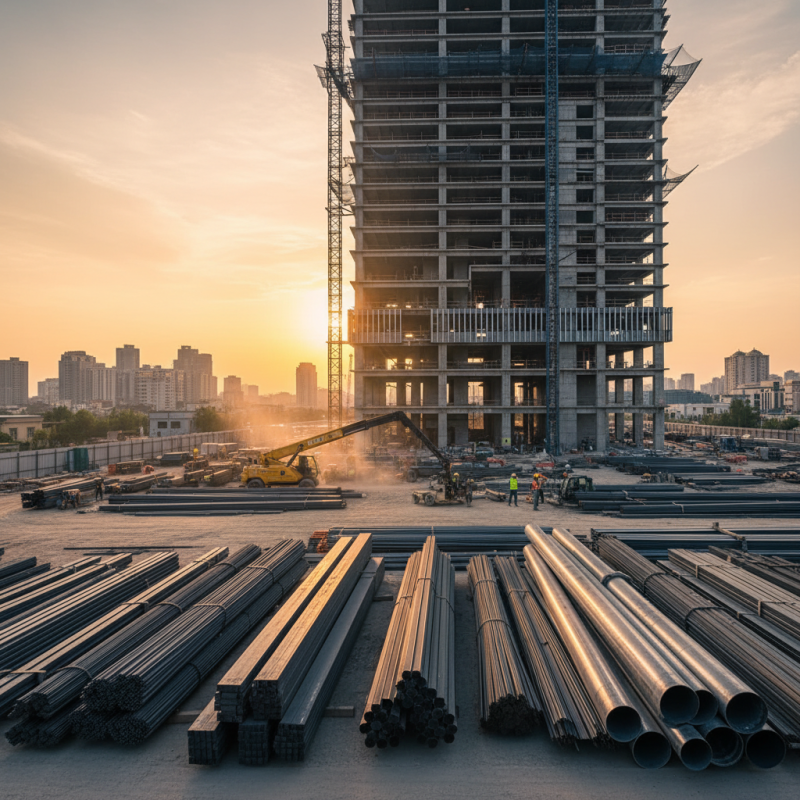
What Steel Is Best for Construction Projects?

Types of Steel Used in Construction Projects

When it comes to construction projects, selecting the right type of steel is crucial. Commonly used steel types include structural steel, rebar, and stainless steel. Each has unique properties, making them suitable for different applications. Industry reports suggest that structural steel accounts for approximately 80% of all steel used in buildings. This type has a high strength-to-weight ratio, which makes it ideal for high-rise constructions.

Rebar, or reinforcing steel, is key in concrete structures. It enhances tensile strength and prevents cracking. According to data from the World Steel Association, around 40% of steel production goes into reinforcing bars. Meanwhile, stainless steel, though more expensive, is vital for projects exposed to corrosive environments. Its resistance to rust ensures durability, especially in coastal areas.

However, using the right alloy can be challenging. Some projects face issues due to the incorrect type of steel being selected. This can lead to structural weaknesses or increased maintenance costs. Not all projects consider the long-term implications of their material choices. Stakeholders need to emphasize selecting the right steel type based on specific environmental conditions and project requirements.

Key Properties of Structural Steel for Building Applications

When choosing steel for construction, structural steel stands out. It offers superior strength, making it ideal for buildings. Steel's high tensile strength supports large structures, minimizing material use. It can endure heavy loads and extreme conditions. This durability ensures the safety of structures over time.

Corrosion resistance is another crucial property. While not all steel is naturally resistant, treatments are available. This can enhance longevity in harsh environments. However, selecting the right coating is essential. Poor choices can lead to rust and deterioration. Builders must consider this carefully.

Weldability is also vital for construction projects. Structural steel can be easily welded, allowing for versatile designs. Yet, quality matters in welding processes. Flawed welds can compromise structural integrity. Regular inspections are necessary to catch any issues early. Failing to do so can lead to costly repairs later.

Comparing Strength and Durability of Different Steel Grades

Choosing the right steel for construction is crucial. Different grades offer varying strength and durability. For instance, structural steel grades like S235 and S355 have distinct characteristics. S235 is easier to weld, while S355 has higher strength. This difference significantly impacts construction methods and safety.

Tips: Always consider the environment of your project. Factors like temperature and exposure to moisture can affect steel performance over time. Using the right grade can prevent future issues.

Another important factor is corrosion resistance. Some steel grades come with protective coatings. These are essential for structures in harsh weather. However, the cost of these coatings adds up.

Be cautious when opting for cheaper alternatives. Low-grade steel may save money upfront, but it can lead to higher maintenance costs later. Always assess the long-term implications of your decisions. Balancing initial expenses with future durability is key.

Factors Influencing Steel Selection in Construction

When selecting steel for construction projects, the environment plays a crucial role. Each project has unique demands. Weather conditions can dictate whether to choose carbon steel or stainless steel. For instance, coastal areas with high humidity often require materials resistant to corrosion. On the other hand, projects in dry climates might not prioritize this aspect as much.

Another important factor is the structural load. Buildings that need to support heavy weights may need high-strength steel. This type can withstand significant pressure and loads. It's essential to evaluate the building's design and purpose before making a choice. But remember, not every project requires the strongest materials. Sometimes, lighter steel can be sufficient and more cost-effective.

Cost, of course, is always a consideration. Prices of steel vary with market conditions. This can complicate decisions, especially for larger projects. Engaging with various suppliers can help in understanding available options. Yet, balancing budget with quality remains a challenge. Engineers and architects must be clear about their priorities to avoid pitfalls later.

Factors Influencing Steel Selection in Construction Projects

Environmental Impact and Sustainability of Construction Steel

When considering construction steel, environmental impact is crucial. Steel production involves significant energy consumption. It generates high levels of carbon emissions. Many industries are now reflecting on these impacts. The carbon footprint of steel can be reduced through recycling. Using recycled steel saves raw materials. It requires less energy compared to new steel production.

Sustainability in construction is more than just materials. It involves sourcing and lifecycle management. The journey of steel from raw material to finished product affects the planet. Therefore, careful consideration of suppliers is necessary. Local sourcing can reduce transportation emissions. Each choice impacts the overall sustainability of a project.

However, challenges remain. Not all steel is created equal in terms of sustainability. Some producers prioritize profits over environmental practices. This inconsistency makes it hard for builders to choose wisely. There is a growing demand for transparency in the steel industry. This could lead to better practices and innovations in production. Only time will tell how these changes will unfold.

What Steel Is Best for Construction Projects? - Environmental Impact and Sustainability of Construction Steel

Steel Type Recyclability CO2 Emissions (kg/ton) Durability (Years) Sustainable Practices
Carbon Steel High 1700 50+ Recycled content sourcing
Stainless Steel High 1500 100+ Use of scrap metals
High-Strength Low-Alloy (HSLA) Moderate 1200 40+ Lean manufacturing approaches
Reinforcing Steel High 1800 50+ Reinforcement recycling programs
Weathering Steel High 1600 50+ Use of alloying elements

FAQS

: What types of steel are commonly used in construction?

: Common types include structural steel, rebar, and stainless steel. Each has unique properties for different applications.

Why is structural steel preferred for high-rise buildings?

It has a high strength-to-weight ratio, making it ideal for supporting large structures with minimal material.

What is the role of rebar in construction?

Rebar enhances tensile strength in concrete structures and helps prevent cracking during wear.

How does stainless steel benefit construction projects?

It is resistant to rust, ensuring durability, especially in coastal and corrosive environments, despite its higher cost.

What challenges are associated with selecting steel types?

Incorrect steel choices can lead to structural weaknesses and increased maintenance costs. Long-term implications are often overlooked.

Why is weldability important for structural steel?

It allows for versatile designs, but poor quality welds can compromise integrity. Regular inspections are necessary to identify issues early.

How do different steel grades compare in strength?

Grades like S235 and S355 vary in characteristics. S235 is easier to weld, while S355 offers greater strength for construction.

What should be considered for corrosion resistance?

Protective coatings are crucial in harsh weather, but their costs can accumulate. Proper choices can prevent future deterioration.

Are cheaper steel alternatives advisable?

Low-grade steel may save money upfront but can result in higher maintenance costs later. Long-term durability should be prioritized.

How do environmental factors affect steel performance?

Temperature and moisture exposure can impact the steel used, making the right grade selection paramount for durability.

Conclusion

When considering what steel is best for construction, it is essential to understand the various types of steel utilized in building projects, such as carbon steel, alloy steel, and stainless steel. Each type offers distinct properties suited to different structural demands. Key characteristics like tensile strength, ductility, and corrosion resistance play crucial roles in determining the suitability of a steel grade for specific applications.

Additionally, factors influencing steel selection include the structural requirements of the project, environmental conditions, and cost considerations. As the construction industry increasingly prioritizes sustainability, the environmental impact of steel production and utilization becomes a significant factor in choosing the right materials. Ultimately, making an informed decision about what steel is best for construction hinges on balancing strength, durability, and sustainability considerations.

Mason

Mason

Mason is a seasoned marketing professional with a deep expertise in the company's offerings and a passion for driving brand awareness. With a strong background in digital marketing strategies, he has an innate ability to connect with diverse audiences and effectively communicate product benefits.......