Steel framing has gained popularity in the construction industry over the years. It offers numerous benefits that can significantly enhance building quality and longevity. Understanding what are the advantages of steel framing is crucial for homeowners and builders alike.
One major advantage of steel framing is its strength and durability. Steel structures can withstand extreme weather conditions, earthquakes, and pests. Additionally, steel is recyclable, making it an eco-friendly choice for modern construction. Its lightweight nature allows for easier transportation and quicker installation.
However, some might wonder about the cost implications. Steel can be more expensive upfront compared to wood. Yet, when considering its longevity and low maintenance costs, it often becomes a more economical choice in the long run. Furthermore, not every project may require steel; small buildings may not benefit as much. Therefore, weighing these pros and cons is essential for making informed decisions in construction.
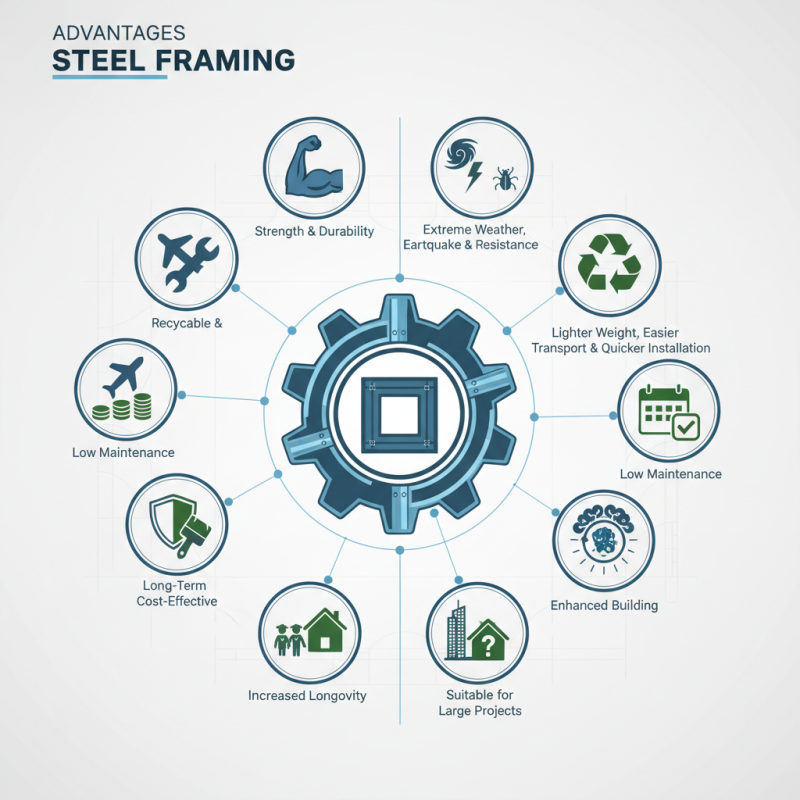
Benefits of Steel Framing in Construction Industry
Steel framing has become a popular choice in the construction industry for several compelling reasons. One key advantage is its durability. Steel structures can withstand extreme weather conditions, reducing the risk of damage over time. This reliability translates into lower maintenance costs for owners. Steel is also resistant to pests that can compromise wooden frameworks, enhancing its lifespan.
Another significant benefit is the design flexibility it offers. Architects appreciate steel framing for its ability to support large spans, allowing for open and airy spaces in commercial and residential buildings. This versatility can lead to innovative designs that were previously unachievable with traditional materials. However, the initial costs might be higher, which can be a barrier for some projects.
Moreover, steel framing contributes to sustainability in construction. Steel is highly recyclable, making it an eco-friendly choice. This can appeal to environmentally conscious developers and clients. Although the energy consumption involved in steel production is a valid concern, ongoing advances are gradually addressing these issues. These factors collectively position steel as a strong contender in contemporary building methods.
Durability and Longevity of Steel Frame Structures
Steel framing stands out for its durability and longevity in construction. Structures built with steel can last several decades longer than those made of wood or other materials. Research from the American Institute of Steel Construction indicates that steel frames can withstand extreme weather conditions. This includes high winds, heavy snow, and seismic activities. Such resilience results in fewer repairs and maintenance over time, saving property owners money.
Another significant advantage is the resistance to pests. Unlike wooden frames, steel does not attract termites or other insects. This factor adds to the lifespan of the structure. However, builders must think about corrosion mitigations. Despite steel’s inherent strength, it requires proper treatment and maintenance to prevent rust in humid or coastal environments.
On average, steel structures can last up to 40 years or more without major structural failures when maintained properly. The National Association of Home Builders reports that improper maintenance can easily shorten this lifespan. It's crucial to plan inspections and treatments to ensure longevity. Building with steel is an investment in longevity but comes with the responsibility of maintenance awareness. Understanding the nuances of steel framing can make a significant difference in long-term performance.
Cost-Effectiveness of Steel Framing Over Time
Steel framing is often seen as a more cost-effective option over time. Its durability means fewer repairs and replacements. Unlike wood, steel does not warp, rot, or attract pests. This leads to reduced maintenance costs, improving the overall financial efficiency of a building project.
The initial investment in steel framing may be higher than traditional materials. However, the long-term savings can outweigh this upfront cost. For example, insurance premiums may be lower due to the fire-resistant properties of steel. This contributes to a stabilized budget throughout the life of a building.
Additionally, energy efficiency is key. Steel framing provides better insulation opportunities. This reduces heating and cooling costs. However, not all steel framed buildings maximize these benefits. Some developers may overlook energy-efficient designs, leading to missed savings. Over time, it's crucial to evaluate and reflect on these aspects for better results.
Resistance to Environmental Challenges with Steel Frames
Steel framing offers remarkable resistance to environmental challenges, making it a popular choice in construction. According to a report by the American Iron and Steel Institute, steel structures can withstand extreme weather conditions, including high winds and heavy snow loads. This resilience significantly reduces potential damage costs over time.
Moreover, steel is non-combustible, providing an advantage in fire-prone areas. A study by the National Fire Protection Association indicates that buildings with steel frames have a lower risk of fire damage compared to those with wood framing. Notably, the longevity of steel also means less frequent replacements, contributing to sustainability.
However, some might argue that steel can be susceptible to corrosion in coastal areas. Proper treatments and coatings are essential to mitigate this risk. While steel framing is durable, it’s still vital for builders to consider local environmental factors and maintenance. Emphasizing quality material selection and regular inspections enhances the overall integrity of steel structures.
Top 10 Advantages of Steel Framing You Should Know
| Advantage |
Description |
Environmental Resistance |
| Durability |
Steel frames can withstand extreme weather conditions and last longer than wood. |
Highly resistant to moisture, pests, and decay. |
| Fire Resistance |
Steel does not burn, making it a safer choice against fire hazards. |
Non-combustible material improves safety during fire. |
| Sustainability |
Steel is recyclable and can be reused, minimizing environmental impact. |
Supports eco-friendly construction practices. |
| Cost-Effectiveness |
Lower maintenance costs and longer lifespan reduce overall expenditures. |
Fewer repairs due to environmental resistance leads to cost savings. |
| Flexibility |
Allows for larger open spaces without the need for structural supports. |
Adaptable to various architectural designs and requirements. |
| Speed of Construction |
Prefabricated parts can be quickly assembled on-site. |
Accelerates project completion to meet deadlines. |
| Strength-to-Weight Ratio |
Steel is strong yet lightweight, making it easy to transport and handle. |
Maintains structural integrity under environmental stress. |
| Pest Resistance |
Not attract pests, leading to fewer infestations. |
Saves on pest control measures. |
| Weather Resistance |
Resists warping, cracking, and splitting caused by temperature changes. |
Reduces maintenance from weather exposure. |
Flexibility in Design and Construction with Steel Framing
Steel framing offers remarkable flexibility in design and construction. This adaptability allows architects to create intricate layouts and unique structures. Unlike traditional wood framing, steel can be manipulated in various shapes and sizes. This freedom facilitates innovative designs that stand out in today’s competitive market.
The lightweight nature of steel also eases transportation and installation on-site. Contractors can utilize different architectural styles without compromising structural integrity. However, this flexibility is not without challenges. Steel frames may require careful planning to ensure compatibility with local building codes. Miscalculations during design can lead to costly adjustments later.
Moreover, as technology advances, new techniques and tools can enhance steel framing applications. While such advancements are promising, they require ongoing training for builders and designers. This educational aspect is critical for maintaining high standards in construction practices. Committing to continual learning ensures that the flexibility of steel framing translates into safe and durable buildings.
Top 10 Advantages of Steel Framing
This chart illustrates the top 10 advantages of using steel framing in construction, highlighting key factors such as Strength, Durability, Cost-effectiveness, Sustainability, Design Flexibility, Speed of Construction, Safety, Resistance to Elements, Low Maintenance, and Recyclability. Each advantage is rated based on its significance in the building industry.
Conclusion
Steel framing has gained significant popularity in the construction industry due to its numerous advantages. One of the key benefits is its durability and longevity, as steel structures can withstand harsh environmental conditions without succumbing to rot or pests. Additionally, the cost-effectiveness of steel framing becomes apparent over time, as its maintenance requirements are lower compared to traditional materials, ultimately saving on repair costs.
Moreover, steel frames offer exceptional resistance to environmental challenges, such as seismic events and extreme weather, enhancing the safety and reliability of buildings. The flexibility in design and construction afforded by steel framing allows for innovative architectural solutions and faster building processes. In summary, when considering what are the advantages of steel framing, it's clear that its robustness, economic benefits, and design versatility make it an excellent choice for modern construction projects.

 Terra Steel